








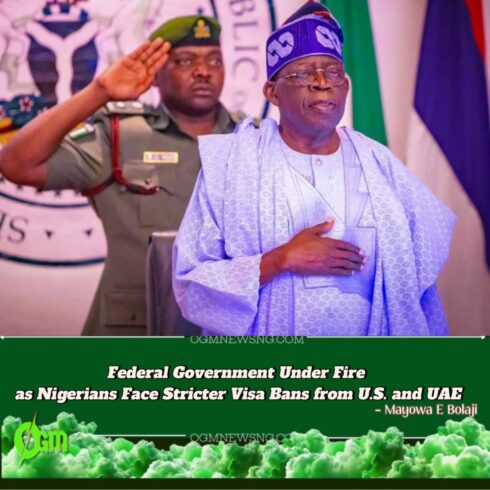
The Federal Government has reaffirmed its commitment to resolving the escalating visa issues plaguing Nigerian citizens seeking entry into the United States and the United Arab Emirates. In an official statement issued through the Ministry of Foreign Affairs, authorities insisted that diplomatic channels remain the most effective tool for restoring normalcy and trust between Nigeria and these key international partners.
While acknowledging the visa policy changes as a “serious diplomatic concern,” the Federal Government emphasized its dedication to protecting the rights of Nigerian travellers and businesspeople. “This administration considers visa accessibility a core component of global mobility and international trade,” the statement read, pointing toward high-level negotiations already in motion with U.S. and UAE counterparts.
Economic Fallout as Travel Bans Impact Nigerian Businesses
The Federal Government has admitted that the ongoing visa clampdown is already having detrimental effects on the country’s economic outlook, especially among exporters, professionals, and business delegations. Thousands of legitimate travellers have had their visas delayed, denied, or outright cancelled, creating uncertainty for trade missions and corporate investors.
In sectors like oil and gas, fintech, and real estate, many firms have cited the visa bottlenecks as reasons for shelving critical international deals. The Federal Government expressed concern that Nigeria’s global competitiveness may shrink if these restrictions persist, pledging to prioritize resolution during bilateral economic dialogues with both nations.
Public Backlash Grows: Nigerians Accuse FG of Weak Diplomacy
The Federal Government has found itself at the center of public outrage as citizens question the effectiveness of its diplomatic efforts. On social media platforms and in civil society circles, many Nigerians allege that the visa crisis is a direct result of the country’s inconsistent foreign policy, growing insecurity, and poor international image.
Despite these criticisms, the Federal Government maintains that its quiet diplomacy is the most sustainable approach. “Nigerians must understand that foreign policy is not a Twitter battle; it is a measured, calculated engagement process,” a senior foreign affairs adviser said, defending the administration’s strategy amidst mounting criticism.
FG Blames Historical Tensions, Pledges Reset in Relations
The Federal Government attributes the visa issues partly to longstanding diplomatic tensions and prior breaches of bilateral trust under previous administrations. According to insiders within the Ministry of Foreign Affairs, both the U.S. and UAE have cited security, documentation fraud, and poor consular cooperation as reasons for tightening entry requirements.
To rebuild confidence, the Federal Government revealed that it is assembling a high-level task force to address historical grievances and ensure future policy compliance. “Our national image must be restored, and that starts with institutional reform and proactive engagement,” the statement read, calling on embassies to improve communication with foreign missions.
Policy Reform on the Table: FG Considers Reciprocation
The Federal Government is reportedly reviewing its visa reciprocity strategy, hinting at the possibility of enforcing stricter entry requirements for citizens of countries imposing travel hurdles on Nigerians. Sources say top officials are debating whether a firmer visa stance would compel foreign governments to treat Nigerian applicants with more dignity.
Although no official decision has been made, analysts believe this policy reconsideration could be a game-changer in rebalancing Nigeria’s diplomatic posture. “We can no longer afford to be on the back foot globally,” a senior FG official stated, suggesting that visa restrictions against Nigerians must no longer be treated as ‘business as usual.’
Bilateral Ties in Jeopardy as Trust Erodes
The Federal Government acknowledges that continued visa bottlenecks could poison broader bilateral relations with both the U.S. and UAE, especially in security cooperation, trade, and tourism. Diplomatic experts warn that trust deficits are deepening, especially after reports of Nigerian travellers being turned away at international airports without due explanation.
Nonetheless, the Federal Government insists it is committed to preserving long-standing relationships while holding dialogue partners accountable. “Nigeria has always championed international collaboration—our people deserve to be treated with respect,” the FG stated, calling on allies to separate political fears from people-to-people relations.
Table of Contents
Discover more from OGM News NG
Subscribe to get the latest posts sent to your email.