








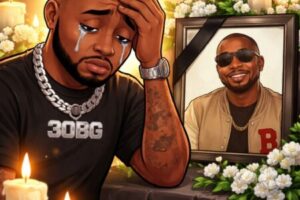

Veteran Nollywood actor, Ibrahim Chatta, has emotionally recounted the tragic loss of his first child — a heart-wrenching chapter in his life shaped by poverty and helplessness. The actor, known for his deep-rooted roles in Yoruba movies, revealed the incident during a recent interview where he reflected on his humble beginnings and the trials he faced in his youth.
Ibrahim Chatta, now widely respected in the Nigerian movie industry, explained that his first child passed away because he couldn’t afford adequate healthcare at the time. “I had no money,” he said, “not even enough to buy paracetamol.” His vulnerable admission has sparked a wave of sympathy online, with many praising his courage to speak publicly on such a painful memory.
The Cost of Poverty: When Health Becomes a Luxury
Ibrahim Chatta’s revelation shines a harsh light on the real consequences of poverty, especially among underprivileged Nigerians. According to the actor, the child suffered a treatable illness that worsened because of his inability to access timely medical intervention. The burden of economic hardship robbed him of the chance to save his own child.
He described the heartbreaking moment when he held his sick child, knowing there was nothing he could do. “I watched my child die in my arms,” he said, his voice trembling with emotion. This painful experience, he revealed, continues to haunt him and serves as a personal reminder of the urgent need for healthcare reforms in Nigeria.
From Tragedy to Triumph: How Acting Became His Escape
The popular Yoruba actor didn’t allow his sorrowful past to define his future. Instead, he channeled his pain into his craft, rising through the ranks of Nollywood with sheer grit and determination. Chatta started acting in local theatre groups and gradually gained fame for his emotional depth and realistic portrayals.
He has since become one of the most sought-after actors in Yoruba cinema, with an impressive filmography that spans decades. His journey from grass to grace is not just inspiring but also a testament to the resilience of the human spirit, especially in the face of systemic neglect and economic hardship.
Social Media Erupts with Reactions to Ibrahim Chatta’s Confession
Following the viral video of Ibrahim Chatta’s emotional interview, fans and fellow celebrities have flooded social media with words of encouragement, admiration, and even tears. Many called the story a “wake-up call” to the nation about the silent tragedies caused by poverty and poor healthcare access in Nigeria.
Influencers, actors, and human rights advocates praised Chatta’s honesty, with some even offering to collaborate with him to raise awareness on child healthcare and support systems for low-income families. The outpouring of support shows the power of storytelling in prompting public empathy and possibly, social change.
Healthcare in Crisis: A System Failing the Poor
Ibrahim Chatta’s story isn’t an isolated one. Across Nigeria, thousands of children die annually from preventable diseases simply because their parents can’t afford basic treatment. According to UNICEF, Nigeria accounts for 13% of global child mortality — a staggering statistic that underlines a national healthcare emergency.
Despite the existence of primary healthcare centers in many communities, most are ill-equipped, underfunded, and inaccessible to the average Nigerian. Ibrahim Chatta’s personal experience reflects what millions endure silently, making his voice not just emotional, but symbolic of a broader societal cry for help.
Chatta’s Call for Change and Hope for the Future
In his closing remarks, Chatta appealed to the government and stakeholders in the health sector to improve access to affordable healthcare, especially for children in rural and poor urban communities. He also urged fellow celebrities to use their platforms to advocate for meaningful reforms.
He concluded by saying, “No parent should ever feel the helplessness I felt.” With this bold confession, Chatta not only revisits his painful past but uses it to inspire a future where no child dies due to poverty. His story is a blend of tragedy, survival, and a call to action for Nigeria to do better for its most vulnerable.
Table of Contents
Discover more from OGM News NG
Subscribe to get the latest posts sent to your email.