





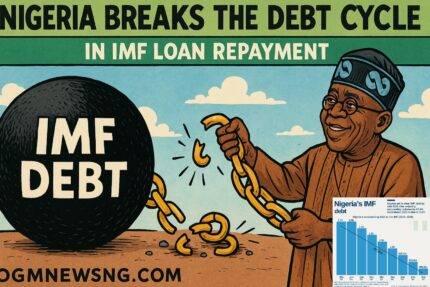
IMF Loan Repayment | For the first time in its economic history, Nigeria is taking a bold, unprecedented step towards settling its debts with the International Monetary Fund (IMF). Between Q4 2023 and Q2 2024, the country repaid a hefty $1.22 billion of its IMF loan, signaling a strong departure from past patterns of debt rollovers and defaults. This significant effort reduced the nation’s IMF debt from $3.26 billion in June 2023 to $1.16 billion by June 2024 — a whopping 64% drop in just one year.
The debt in question originated from a $3.4 billion Rapid Financing Instrument obtained in 2020 to cushion the economic shock of the COVID-19 pandemic. Initially scheduled for gradual repayment through 2027, Nigeria’s accelerated servicing of this debt underlines a newfound fiscal discipline. Analysts and observers credit this change of tide in part to the strategic and financial acumen of President Bola Ahmed Tinubu, whose government seems determined to clean up Nigeria’s books.
IMF’s Take: Encouraging Progress, But Revenue Woes Persist
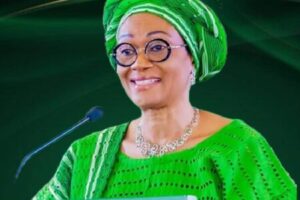
IMF Loan Repayment | In March 2025, Gita Gopinath, the IMF’s First Deputy Managing Director, publicly acknowledged Nigeria’s remarkable debt repayment progress. She described the country’s overall public debt status as “moderate and not high-risk,” a notable shift from previous years of financial instability and ballooning obligations.
However, Gopinath highlighted a critical weakness: 75% of Nigeria’s government revenue is still consumed by interest payments. This heavy burden hampers the country’s ability to fund essential social programs and infrastructure. She emphasized the urgent need for Nigeria to broaden its revenue base, suggesting improved taxation and better fiscal policies to ensure long-term debt sustainability and economic independence.
IMF Loan Repayment Improved International Creditworthiness
Paying down IMF debt sends a clear message to the international community: Nigeria is serious about honoring its obligations. This could significantly boost investor confidence and attract more foreign direct investment (FDI). For decades, concerns over poor debt management have deterred international financiers. Now, with this new track record, Nigeria could be on the path to improving its sovereign credit ratings.
Improved ratings would make it cheaper for the country to borrow in global markets, as lenders demand lower interest premiums for countries with disciplined fiscal management. For an economy still grappling with budget deficits and development needs, this kind of external validation could unlock billions in investment.
IMF Loan Repayment: Stronger Naira, Calmer Markets
Nigeria’s reduced foreign debt obligations are also likely to strengthen the naira. With less strain on the country’s foreign reserves to service debt, the Central Bank of Nigeria (CBN) can ease its frequent and costly interventions in the forex market. This would foster greater currency stability and investor confidence.
A stronger naira has direct implications for the average Nigerian. Import-related inflation — especially for staples like food, medicine, and fuel — could decline, improving the purchasing power of citizens and reducing the pressure on households already stretched by years of high inflation and stagnant wages.
IMF Loan Repayment Will Aid Budgetary Breathing Room
One of the most immediate advantages of slashing debt is increased fiscal flexibility. Every dollar not spent on interest payments is a dollar that can be redirected to pressing needs. For a country struggling with poor infrastructure, dilapidated hospitals, underfunded schools, and mass unemployment, this is a crucial opportunity.
With a leaner debt burden, Nigeria’s government can channel resources into nation-building programs like mass housing, clean energy projects, digital infrastructure, and vocational training. It also opens the door to enhanced social welfare programs — a move that could help reduce poverty and inequality across the country.
Regaining Policy Autonomy: Breaking Free from IMF Constraints
IMF Loan Repayment | IMF loans, while lifesaving in times of crisis, often come with stringent policy conditions that can limit a country’s sovereignty over its economic direction. By drastically cutting down its debt, Nigeria is also loosening these policy shackles. This newfound independence gives the Tinubu administration greater freedom to design and implement homegrown economic strategies.
Whether it’s restructuring fuel subsidies, reforming taxes, or reshaping public spending, Nigeria can now pursue policies that align more closely with local realities rather than foreign prescriptions. This autonomy will be vital in steering the country through its unique socio-economic terrain.
The Road Ahead: Opportunities and Obstacles
IMF Loan Repayment | While Nigeria’s debt repayment progress is commendable, sustaining this momentum requires deep structural reforms. Key priorities moving forward include diversifying the economy away from oil, tackling insecurity, and enhancing the efficiency of public spending. Equally important is ramping up domestic revenue collection — a challenge that will test the government’s political will.
Anti-corruption measures and public sector transparency will also be essential if citizens are to trust that the financial space created by debt repayment will not be squandered. As Nigeria inches closer to settling its IMF obligations, the true test lies in how this progress translates into better lives for its people.
Bottom Line:
Nigeria’s fiscal house is slowly getting in order, and for once, it appears the country is not just borrowing to survive — it’s repaying to thrive. The journey is far from over, but the commitment shown so far is a promising sign that the Tinubu administration may indeed know what it’s doing.
Table of Contents
Discover more from OGM News NG
Subscribe to get the latest posts sent to your email.