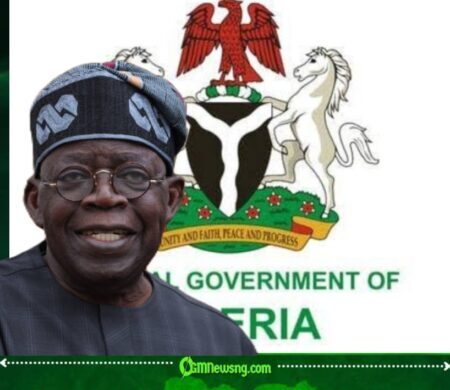







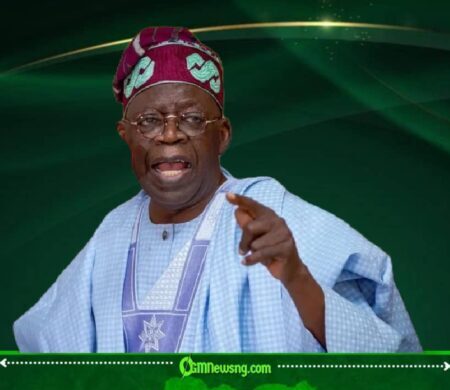
President Bola Ahmed Tinubu has directed all political appointees under his administration who intend to contest for elective offices in the forthcoming elections to resign from their positions on or before March 31. This decisive move is seen as part of efforts to ensure transparency, accountability, and fairness in Nigeria’s political process ahead of the election season.
The directive applies to ministers, special advisers, heads of agencies, and other government officials currently holding appointed positions. According to sources within the presidency, the move aligns with constitutional provisions and electoral guidelines designed to prevent the misuse of public office for campaign advantages.
Political analysts have described the announcement as a significant step toward strengthening democratic practices in Nigeria. By enforcing a clear deadline, the Tinubu administration aims to create a level playing field where all candidates can compete without undue influence stemming from government positions.
Legal and Electoral Implications of the Directive
The instruction by President Tinubu is rooted in provisions of Nigeria’s electoral framework, which discourages public officeholders from simultaneously holding executive roles while pursuing elective ambitions.
Legal experts have pointed out that this move helps to minimize conflicts of interest and promotes ethical political conduct. In previous election cycles, controversies often arose when political appointees retained their offices while actively campaigning. Such situations raised concerns about the use of government resources, influence over state institutions, and unfair advantages over other candidates. This new directive seeks to eliminate those concerns entirely.
Furthermore, the March 31 deadline provides ample time for aspiring politicians to transition from governance roles to full-time campaigning. The clear timeline also allows relevant authorities, including electoral bodies, to monitor compliance and enforce penalties where necessary.
Bola Ahmed Tinubu: Political Reactions and Impact on 2027 Elections
The directive has sparked mixed reactions across Nigeria’s political landscape. While some stakeholders have praised President Tinubu for promoting discipline and fairness, others argue that the timeline may disrupt governance if multiple key officials step down simultaneously.
Supporters of the policy believe it will enhance public trust in the electoral process by ensuring that public office is not exploited for political gain. Civil society organizations have also welcomed the move, describing it as a bold step toward credible and transparent elections.
As Nigeria gradually approaches the next general elections, this decision is expected to reshape political strategies among aspirants and parties. Many appointees are now faced with a crucial choice between continuing in their current roles or pursuing their political ambitions, a development that could significantly influence the dynamics of the 2027 elections.
Table of Contents
Discover more from OGM News NG
Subscribe to get the latest posts sent to your email.