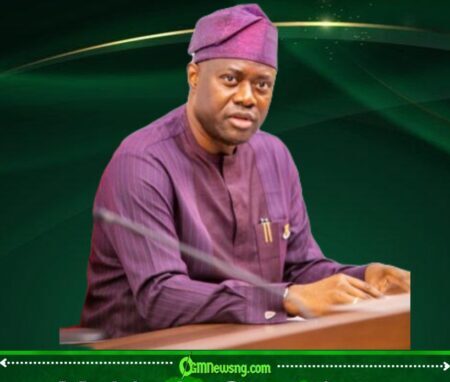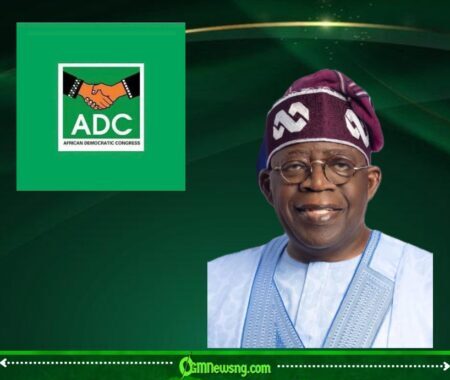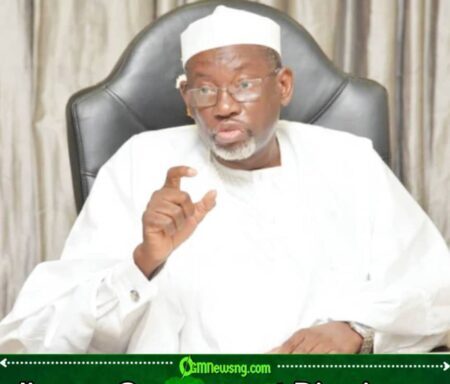
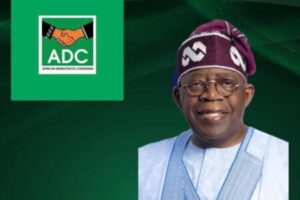





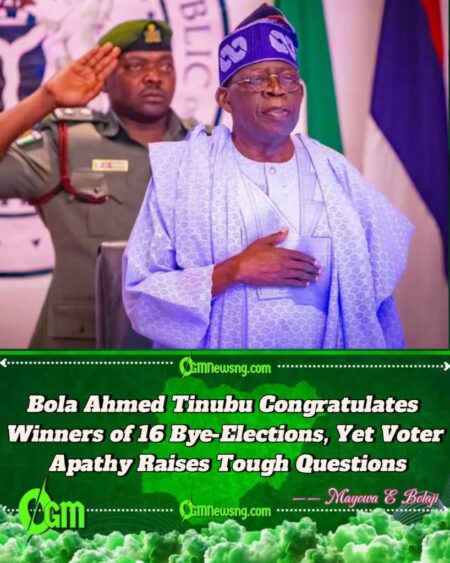
President Bola Ahmed Tinubu has congratulated the winners of the August 16 by-elections conducted across 16 constituencies in 12 Nigerian states. He described the victories as evidence of the people’s unwavering trust in democracy, stressing that the outcome reflects the citizens’ collective desire for progress. According to him, the process demonstrated the strength of Nigeria’s political system when allowed to function without disruption.
Bola Ahmed Tinubu emphasized that the triumph of candidates from diverse political platforms indicates that Nigerian democracy is maturing beyond partisanship. However, political analysts argue that the president’s commendation was more strategic than patriotic, aimed at appeasing both ruling and opposition forces ahead of the 2027 general elections. This dual interpretation has ignited debates about whether Tinubu is consolidating power or genuinely nurturing inclusivity.
Bola Ahmed Tinubu Applauds INEC’s Conduct Amid Past Criticisms
Bola Ahmed Tinubu praised the Independent National Electoral Commission (INEC) for what he termed a “peaceful, credible, and largely transparent” by-election exercise. He argued that the absence of widespread violence or ballot-snatching should reassure Nigerians that electoral reforms are working. The president further urged citizens to maintain faith in the electoral body as the guardian of their democratic rights.
Nevertheless, critics question whether Tinubu’s optimism aligns with public perception. Many Nigerians recall widespread irregularities during the 2023 general elections, raising doubts about whether INEC has truly reformed. Some opposition figures accuse the president of glossing over structural flaws, suggesting that his praise is a political tactic to mask systemic weaknesses in Nigeria’s electoral architecture.
Bola Ahmed Tinubu Frames Elections as Proof of Democratic Resilience
Bola Ahmed Tinubu declared that the peaceful conduct of the by-elections demonstrates the resilience of Nigeria’s democracy in the face of deep-rooted challenges. He argued that despite economic hardships, insecurity, and political rivalries, Nigerians turned out to vote, reaffirming their commitment to democratic governance. For him, the election was more than a contest; it was a test of faith in the nation’s future.
Skeptics, however, warn against premature celebration. Civil society groups contend that low voter turnout in several constituencies shows a deepening disconnect between citizens and the political class. They insist that democracy cannot be called resilient when apathy, disillusionment, and poverty continue to undermine the electorate’s willingness to engage fully in the process.
Bola Ahmed Tinubu Calls on Winners to Prioritize Service, Not Self
Bola Ahmed Tinubu urged victorious candidates to see their election as a call to serve rather than an avenue for personal enrichment. He emphasized that Nigerians expect transparency, accountability, and visible progress in their communities. Tinubu warned that betrayal of public trust would only deepen resentment toward political officeholders.
This statement has been met with mixed reactions, as opposition critics argue that Tinubu himself has yet to deliver on many campaign promises. They accuse him of moral posturing, noting that inflation, unemployment, and insecurity continue to plague Nigeria under his leadership. The irony of his admonition, they say, underscores the widening gulf between presidential rhetoric and national realities.
Bola Ahmed Tinubu Positions Victory as a Precursor to 2027 Politics
Bola Ahmed Tinubu framed the by-elections as a critical step in building momentum toward the 2027 general elections. He suggested that the outcome will serve as a blueprint for how political actors should engage, stressing the need for fair competition and respect for the will of the people. According to him, the results prove that Nigerians can decide their leaders without coercion.
Yet political observers believe Tinubu’s speech carried hidden undertones of political maneuvering. They argue that by applauding INEC and framing the election as legitimate, Tinubu is laying the groundwork to defend future outcomes that may favor his ruling party. This has sparked suspicion that the president’s congratulatory message is less about democracy and more about fortifying political control ahead of a high-stakes election season.
Bola Ahmed Tinubu Faces Questions Over Democratic Reality
Bola Ahmed Tinubu closed his congratulatory message with an appeal for unity, urging Nigerians to rally behind elected leaders regardless of party affiliation. He maintained that collective progress is possible only when citizens set aside political bitterness and embrace shared responsibility for national growth. To him, the by-elections prove that Nigeria can overcome its democratic anxieties.
But his optimism collides with harsh realities on the ground. With rising poverty, economic despair, and widespread distrust in governance, many Nigerians question whether electoral victories truly translate to improved lives. Tinubu’s message, though lofty, risks being dismissed as empty political theater unless tangible reforms and socioeconomic relief accompany the rhetoric. This contradiction has fueled fierce debate: is Tinubu a custodian of democracy—or simply its greatest beneficiary?
Table of Contents
Discover more from OGM News NG
Subscribe to get the latest posts sent to your email.