








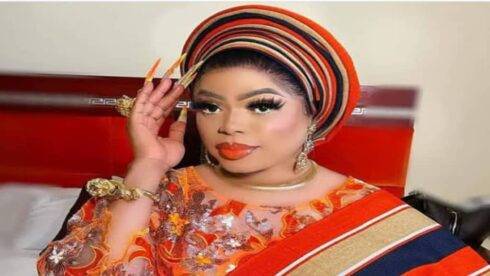
Controversial Nigerian socialite and self-proclaimed “mummy of Lagos,” Bobrisky, has sparked a digital storm after publicly pleading with female fans to stop bombarding his direct messages with flirtatious advances. The cross-dresser took to his Instagram stories, venting frustration over the overwhelming volume of romantic and suggestive messages from women who, according to him, are not respecting his identity or boundaries.
In an unusually personal outcry, Bobrisky expressed emotional fatigue, stating that the daily deluge of admiration is becoming “too much to handle.” The unexpected confession has reignited public interest in his personal life and gender identity, as many fans are left confused by the contradiction between his overt feminine persona and the perceived romantic interest from women.
Bobrisky’s Gender Identity: Misunderstood or Ignored by Female Fans?
Despite years of publicly embracing a feminine identity, including undergoing cosmetic procedures and adopting she/her pronouns, Bobrisky continues to face societal misinterpretation. His latest complaint reveals that many women still perceive him as a male influencer, leading them to send messages suggesting intimacy, relationships, or friendship based on attraction. His response: a firm and emotional “I’m not the man you think I am.”
This situation underlines the persistent lack of understanding surrounding transgender and gender-nonconforming identities in Nigeria. Bobrisky’s statement is not just about personal boundaries—it exposes a larger cultural issue where personal identity is often overshadowed by public perception. His plea to be seen and respected as a woman shines a light on the challenges many face when their self-definition clashes with societal expectations.
Mixed Reactions Erupt Online: Support, Backlash, and Sarcasm
Bobrisky’s open lament has triggered an avalanche of responses across social media platforms like Instagram, Twitter (X), and TikTok. While many of his loyal followers applauded his honesty and empathized with the pressure of fame, others mocked his post, suggesting it was a publicity stunt or attention-seeking move. Some even insinuated that he was “enjoying the attention” he claims to detest.
On the other hand, a significant number of users, especially within the LGBTQ+ community, defended Bobrisky’s stance. They pointed out how emotional labor and personal space are often disrespected when one lives a public life under constant scrutiny. The polarized reactions reflect Nigeria’s ongoing struggle with issues of gender identity, personal choice, and celebrity privacy.
A Cry for Mental Clarity or Media Strategy? Experts Weigh In
Public figures often walk a tightrope between authenticity and performance. Bobrisky’s outburst may appear spontaneous, but social commentators believe it could also be a calculated move to stir up engagement and stay in the limelight. As someone who thrives on controversy and visibility, Bobrisky’s every move is examined for deeper motives.
Yet, there’s also a legitimate argument about emotional burnout. Constantly having to assert one’s identity, especially in a deeply conservative society, can lead to psychological fatigue. Mental health professionals argue that Bobrisky’s reaction may be more than a headline—it could be a cry for space, validation, and personal peace in an environment that’s always ready to judge.
Social Boundaries in the Digital Age: When DMs Cross the Line
The increasing intrusiveness of social media interactions brings to light the challenge of maintaining digital boundaries. For Bobrisky, the DM onslaught is not just about numbers—it’s about personal invasion. Women who may admire his beauty, confidence, or style are crossing lines by assuming romantic openness without considering the reality of his expressed gender identity.
This incident underscores the larger issue of entitlement in digital communication, where fans feel they can say or demand anything simply because they follow a public figure. Bobrisky’s outcry, therefore, isn’t isolated—it echoes the sentiment of many online influencers who face pressure to respond, entertain, or endure without complaint. His message is clear: admiration is fine, but respect is non-negotiable.
The Bigger Picture: Bobrisky as a Mirror of Nigeria’s Cultural Tensions
Beyond the glitz, wigs, and social media glimmer, Bobrisky represents something far more profound—a cultural paradox. He is a symbol of rebellion in a nation still grappling with gender norms, freedom of expression, and LGBTQ+ identity. His popularity, despite constant backlash, reflects a generation more willing to engage with alternative realities, even if those engagements are clumsy or inappropriate.
Bobrisky’s appeal to be left alone by women serves as a metaphor for the constant tug-of-war between personal autonomy and societal labels. Whether his message changes behaviors or not, it has undeniably added a new layer to Nigeria’s ongoing discourse on identity, respect, and the blurred lines between private emotions and public personas in a digital age.
Table of Contents
Discover more from OGM News NG
Subscribe to get the latest posts sent to your email.