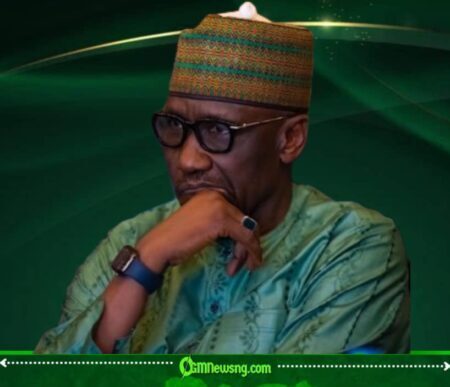









Nigeria’s Minister of Power, Adebayo Adelabu, has raised concerns over the slow pace of electricity meter distribution by the Ibadan Electricity Distribution Company (IBEDC), warning that the shortfall could deepen revenue leakages and erode consumer confidence in the power sector.
The minister’s remarks come amid ongoing efforts by the Federal Government to address estimated billing and improve transparency in electricity supply across the country. Industry stakeholders say the meter rollout remains central to reforming the distribution segment and restoring trust between utilities and customers.
Government Raises Alarm Over Metering Gaps
Adelabu expressed dissatisfaction with IBEDC’s performance in deploying meters to unmetered customers, stressing that the situation undermines the broader objectives of power sector reform. According to him, the failure to close the metering gap not only fuels consumer complaints but also contributes to significant revenue losses for distribution companies and the government.
He emphasized that accurate metering is essential for fair billing, improved energy accountability, and enhanced operational efficiency. Without adequate meter penetration, customers remain vulnerable to estimated billing practices, which have long been a source of dispute between consumers and distribution companies.
The minister Adelabu warned that the government would not hesitate to take appropriate regulatory steps if distribution companies fail to meet agreed targets under existing performance frameworks.
Revenue Implications and Consumer Trust
Industry analysts note that poor meter rollout affects both revenue collection and customer relations. Unmetered supply makes it difficult to track actual consumption patterns, leading to billing inconsistencies and reduced willingness by customers to pay electricity charges.
Adelabu pointed out that efficient revenue collection depends largely on accurate measurement. When customers are confident that they are billed strictly for energy consumed, compliance rates improve and energy theft is more easily identified and curtailed.
He also reiterated the Federal Government’s commitment to closing the metering gap nationwide, describing it as a foundational step toward achieving financial sustainability in Nigeria’s electricity market.
Reform Agenda and Expectations for Distribution Companies
The minister urged IBEDC and other distribution companies to accelerate meter installations in line with regulatory timelines. He noted that the credibility of ongoing reforms hinges on visible improvements in service delivery and billing transparency.
While acknowledging operational challenges facing distribution companies — including infrastructure deficits and liquidity constraints — Adelabu maintained that performance obligations must be met to ensure the long-term stability of the sector.
He called for stronger collaboration between regulators, operators, and consumers, emphasizing that resolving the metering deficit is critical to achieving a more reliable and commercially viable electricity supply system.
Table of Contents
Discover more from OGM News NG
Subscribe to get the latest posts sent to your email.