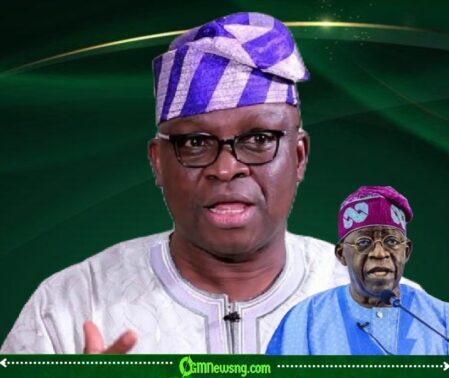


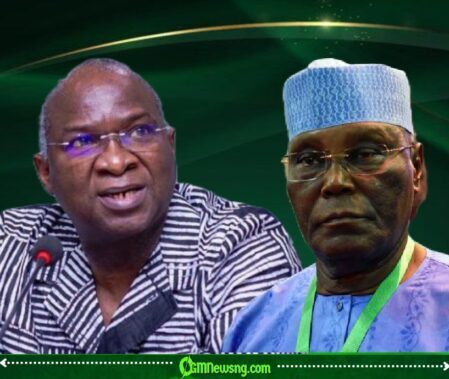
Babatunde Fashola, Former Lagos State Governor and ex-Minister of Works and Housing, has challenged former Vice President Atiku Abubakar over his proposal to restore fuel subsidy if elected president in 2027, questioning how the policy would be funded and whether it could be sustained without putting additional pressure on government finances.
Fashola raised the concerns during an appearance on Channels Television’s Politics Today, where he questioned the financial implications of Atiku’s proposal and its potential impact on federal and state government revenues.
Fashola Questions Funding Behind Atiku’s Proposal
Speaking during the interview, Fashola demanded a clear explanation of how Atiku intended to finance the proposed subsidy arrangement, arguing that Nigerians deserved more than political promises without a practical implementation plan.
He questioned what would make the proposed policy different from previous subsidy arrangements and whether the government would have sufficient financial resources to maintain it.
“What are you going to do differently? Where are you going to find the money to sustain what you are offering? It is not sustainable,” Fashola said.
He maintained that any government considering a return to subsidy must demonstrate how the arrangement would work without creating another financial burden for the country.
States Could Face Financial Pressure Again, Fashola Warns
Drawing from his experience in the administration of former President Muhammadu Buhari, Fashola recalled the financial difficulties state governments experienced during the period when the Federal Government was paying fuel subsidies.
According to him, subsidy payments affected the funds available for distribution to states, raising concerns about the ability of state governments to meet their financial obligations.
He warned against returning to a situation where states receive limited allocations and are forced to borrow money to pay workers’ salaries.
“I was in a government that was paying subsidies, and the states were not getting money. So are we going to go back to partial, near-zero returns, with states borrowing money to pay salaries? Is that where you want us to go?” he asked.
Atiku’s Position on Subsidy Restoration
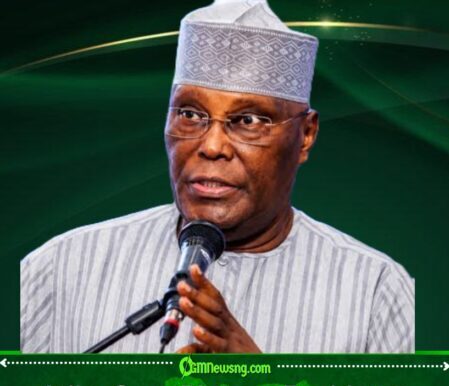
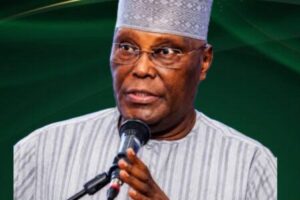
Atiku Abubakar, who is seeking the presidency under the African Democratic Congress (ADC), had announced his intention to restore fuel subsidy if elected in 2027.
His proposal includes a temporary and audited subsidy arrangement focused on petroleum products refined locally. He has argued that the policy could help reduce petrol prices, transportation costs and food prices while providing relief to Nigerians struggling with rising living expenses.
However, Fashola questioned the practicality of the proposal, particularly Nigeria’s crude oil production challenges, insecurity in oil-producing communities and the availability of sufficient crude oil to support domestic refining.
He also argued that restoring subsidy would require legislative backing rather than relying solely on a presidential announcement.
2027: Economic Policies Become a Major Political Debate
The disagreement highlights the growing debate over economic policies as political activities gradually intensify ahead of the 2027 general elections.
While Atiku’s proposal focuses on using a targeted subsidy arrangement to reduce the cost of living, Fashola’s criticism centres on the financial implications, government revenue and the sustainability of such an intervention.
The debate also raises broader questions about how political leaders intend to balance affordable petroleum products, domestic production, government revenue and the financial independence of state governments. As Nigerians continue to contend with the effects of rising living costs, the debate over subsidy restoration remains an important issue in discussions about the country’s economic future.
Atiku’s proposal and Fashola’s criticism have placed the question of subsidy financing back in the political spotlight.
Beyond campaign promises, Nigerians will expect presidential contenders to explain how their economic policies will be funded, implemented and sustained without creating additional financial difficulties for the country.
Table of Contents
Discover more from OGM News NG
Subscribe to get the latest posts sent to your email.