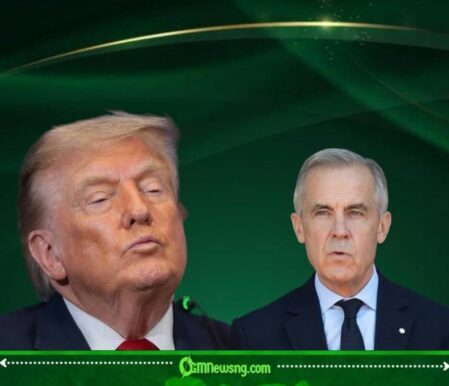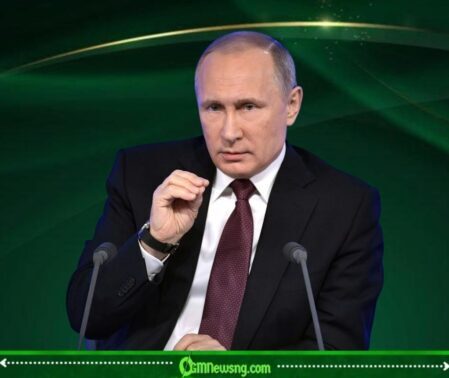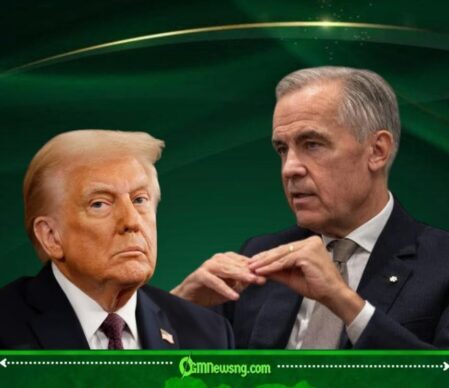









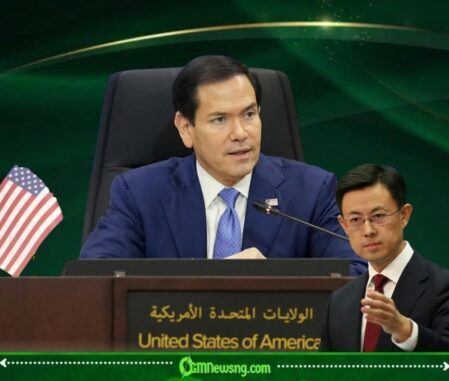
China has issued a fresh warning to the United States, promising to take all necessary measures to protect Chinese companies after President Donald Trump’s administration imposed sanctions on two China-based businesses accused of supplying military-related equipment to Cuba. The latest development has added another layer of tension to the already complicated relationship between Washington and Beijing, with China making it clear that it will not quietly accept what it considers interference in its legitimate international business relationships. Apparently, another diplomatic disagreement has arrived, and neither side seems particularly interested in backing down.
CHINA REJECTS WASHINGTON’S SANCTIONS AND PROMISES NECESSARY COUNTERMEASURES
The dispute followed the US State Department’s November 5 announcement of sanctions against China National Electronic Import and Export Company (CEIEC) and Beijing H&C Technologies. Washington accused the companies of working with Cuban procurement company Sociedad Mercantil Duna S.A. to supply military-related components and equipment to Cuba in 2026. The American government maintains that such assistance supports Cuba’s military capabilities and raises concerns about US national security. However, the specific equipment involved and the financial value of the transactions were not publicly disclosed in the available announcement.
China was quick to challenge the decision. On November 6, Chinese Foreign Ministry spokesperson Guo Jiakun declared that Beijing firmly opposed the unilateral sanctions and rejected Washington’s attempts to interfere with China-Cuba cooperation. He also warned that China would take all necessary measures to protect the legitimate rights and interests of its businesses. Interestingly, although the warning sounded sufficiently serious to attract international attention, Beijing did not announce any specific retaliatory action. For now, Washington has received a warning rather than a detailed list of consequences.
CHINA-CUBA RELATIONS BECOME ANOTHER FLASHPOINT IN US FOREIGN POLICY
The latest sanctions are part of President Trump’s administration’s broader campaign to increase economic and diplomatic pressure on Cuba. Washington has also expanded its authority to target foreign businesses operating in several Cuban economic sectors, including manufacturing, technology, electronics and maritime activities. The measures extend beyond the two Chinese companies, affecting other entities, individuals and vessels allegedly connected to Cuba’s military support and revenue networks. The administration argues that these actions are intended to restrict resources supporting the Cuban government rather than punish ordinary Cubans.
China, however, maintains that its cooperation with Cuba is legitimate and transparent, insisting that other countries should not dictate the terms of its international relationships. The disagreement also raises questions about how far Washington is prepared to extend its sanctions policy to companies operating outside American territory. With Chin and the United States already facing disagreements over trade, technology and geopolitical influence, the latest confrontation could become another uncomfortable test of their diplomatic relationship. Apparently, doing business with one country’s ally can sometimes become another country’s national security headache.
China has made its position clear: it will defend its companies against what it considers unjustified American sanctions. Nevertheless, the absence of specific countermeasures means the real extent of Beijing’s response remains uncertain. Whether China eventually introduces economic restrictions, diplomatic measures or another form of retaliation remains to be seen. One thing is certain: the latest disagreement has created another potential flashpoint between two major world powers, and the international community will be watching closely. Stay connected with OGM News NG for further developments as this diplomatic standoff unfolds.
Table of Contents
Discover more from OGM News NG
Subscribe to get the latest posts sent to your email.