






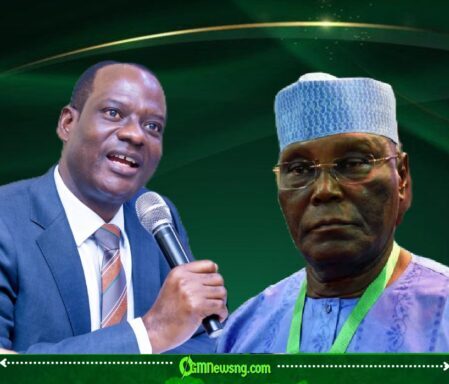
Taiwo Oyedele has defended the Federal Government’s proposed $21.7 billion external borrowing plan, insisting that the funds are intended to support investment rather than place an unnecessary burden on Nigerians. His position comes amid criticism from former Vice President Atiku Abubakar, renewing public debate over Nigeria’s borrowing strategy, debt obligations and economic priorities.
The disagreement raises an important question about the administration of President Bola Ahmed Tinubu: can additional external borrowing deliver meaningful development without increasing the financial pressure on future governments and taxpayers?
Taiwo Oyedele Says External Borrowing Is Intended to Drive Investment
Taiwo Oyedele’s defence centres on the argument that borrowing should be assessed by its intended purpose and the benefits it delivers, rather than by the amount alone. Governments may borrow to finance infrastructure and other development projects expected to support economic growth and improve public services.
However, the success of such a strategy depends on how the funds are allocated, the quality of the projects financed and the government’s ability to repay the loans. Without transparent implementation and measurable outcomes, borrowing intended to promote development could create additional financial challenges.
For Nigerians facing rising living costs and economic uncertainty, the government’s explanation may not be enough on its own. Citizens will want clear details about the projects to be funded, the expected benefits and the safeguards against waste or mismanagement.
Taiwo Oyedele’s Defence Faces Questions Over Nigeria’s Debt Burden
Taiwo Oyedele’s position has added another dimension to the debate sparked by Atiku Abubakar’s criticism of the proposed borrowing plan. While supporters may argue that external loans can finance essential development projects, critics may question whether Nigeria can sustain additional debt without stronger revenue generation and greater spending efficiency.
The disagreement also highlights the need to distinguish between borrowing that creates lasting economic value and borrowing whose benefits are difficult to measure. Nigerians deserve access to information about loan conditions, repayment schedules, project selection and the expected impact on employment, infrastructure and household welfare.
Rather than allowing the issue to remain a political argument between government officials and opposition figures, the focus should be on accountability. The government must demonstrate how the proposed funds will be used and explain how the expected benefits will justify the financial commitments.
Can Taiwo Oyedele Convince Nigerians?
Taiwo Oyedele’s argument that the proposed $21.7 billion external borrowing plan is intended to support investment rather than burden Nigerians presents the government’s justification for the proposal. However, the credibility of that position will ultimately depend on transparency, responsible debt management and measurable results.
The central question is not simply whether Nigeria should borrow, but whether the country can demonstrate that the money will be used productively and generate benefits that justify its cost. OGM News NG will continue to follow developments surrounding the borrowing proposal and the wider debate over Nigeria’s public debt.
Table of Contents
Discover more from OGM News NG
Subscribe to get the latest posts sent to your email.