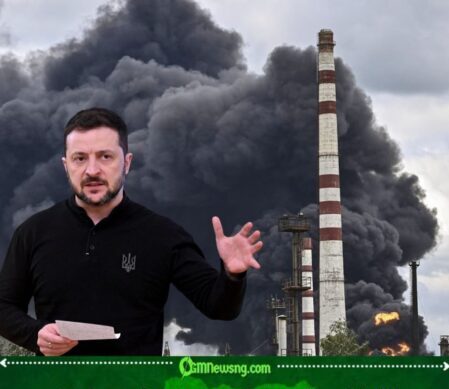








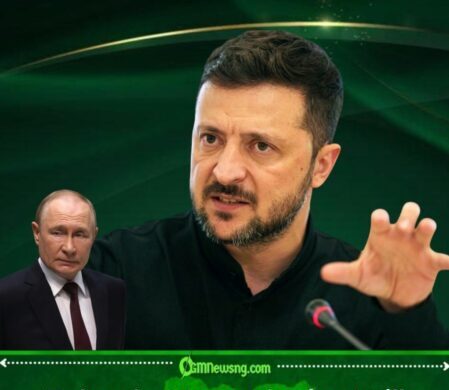
Ukrainian President Volodymyr Zelensky has reportedly reaffirmed his country’s determination to continue fighting Russia even if it must do so without sufficient international support, declaring that Ukraine will win the war “very soon.” The bold message comes at a time when Kyiv faces mounting military pressures, diplomatic uncertainty and difficult questions about the reliability of its foreign partners.
For a country that has spent years defending its territory, the promise of victory is both a declaration of national resilience and a test of public expectations. With peace negotiations struggling to produce a lasting settlement, the central question is whether determination alone can deliver the outcome Ukraine desperately needs—or whether the road to victory remains considerably longer than political speeches suggest.
A Promise of Victory Meets the Reality of the Battlefield
The declaration carries a powerful message: Ukraine intends to resist Russian aggression regardless of how its international relationships develop. Yet, as inspiring as such confidence may sound, wars are not concluded by presidential assurances alone. Military resources, air defence, personnel, economic stability and sustained public support all influence what a country can realistically achieve.
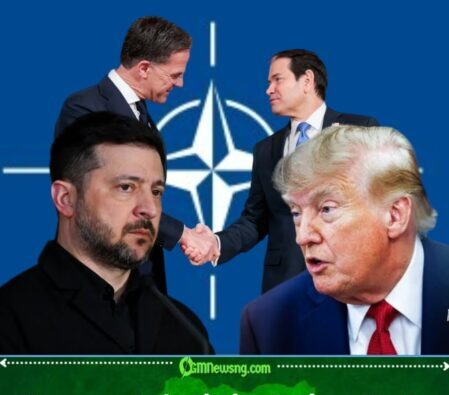
Ukraine’s relationship with its international partners, particularly the United States, remains a significant factor in its war effort. Disagreements over military assistance, intelligence cooperation, Russian energy and diplomatic strategy have raised questions about how reliably Kyiv can count on continued support. These uncertainties make the prospect of fighting with reduced assistance a serious strategic concern.
For observers, the satirical irony is difficult to miss: victory may be described as approaching while the practical requirements for achieving it remain the subject of international disagreements. A determined leader can rally a nation, but even the strongest speech cannot independently supply ammunition, restore damaged infrastructure or guarantee that an opponent will negotiate on acceptable terms.
Fighting Alone: A Test of Allies, Strategy and Political Confidence
The possibility of Ukraine fighting with reduced foreign assistance raises uncomfortable questions about the country’s long-term military capacity. European governments have provided financial and military support, but replacing every capability associated with American assistance would be a formidable challenge. Intelligence sharing, air defence, logistics and access to military equipment remain important considerations in determining Ukraine’s ability to sustain its resistance.
Meanwhile, US President Donald Trump has pursued his own approach to ending the conflict, with diplomatic initiatives and disagreements over how to pressure Moscow adding further uncertainty. These developments illustrate how efforts intended to bring the fighting to an end can create fresh political tensions when the parties involved disagree on the conditions for peace.
In the world of political satire, declaring victory “very soon” while preparing for the possibility of standing alone sounds rather like promising to win a marathon just as the organisers announce that the water stations may be closed. The joke, however, rests on a serious reality: Ukraine’s determination is important, but the eventual outcome will depend on battlefield developments, available resources, international cooperation and the terms of any future settlement.
Ultimately, the reported declaration reflects Ukraine’s determination not to surrender its ambitions under pressure, but the prediction of a swift victory remains a claim about the future rather than an established outcome. As the war continues and international alliances face new tests, readers should watch for further developments and verified updates on this story from OGM News.
Table of Contents
Discover more from OGM News NG
Subscribe to get the latest posts sent to your email.