





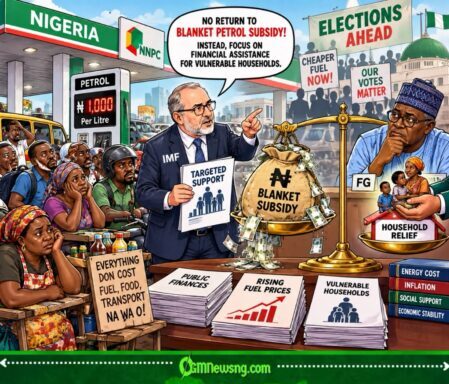
Petrol subsidy don return to the centre of Nigeria economic argument as the International Monetary Fund (IMF) warn Federal Government against bringing back blanket petrol subsidy. The warning come at a time wey high energy costs dey put pressure on households, and political demand for relief dey increase ahead of the 2027 presidential election. The IMF position raise one important question: how government fit reduce the suffering of ordinary Nigerians without putting more pressure on public money?
Petrol Subsidy Don Become Political Football, IMF Say Make Una No Kick Government Budget Enter Goalpost
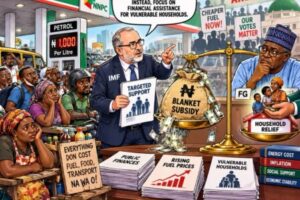
Rodrigo Valdés, Director of the IMF Fiscal Affairs Department, give the warning on Wednesday, October 14, during the 2026 IMF and World Bank Group Annual Meetings for Bangkok, Thailand. As people ask about growing calls to restore petrol subsidy ahead of election, Valdés acknowledge say rising fuel prices fit create serious political challenges for any government. But e caution say subsidising petrol for everybody fit impose substantial costs on public finances. 
The IMF argument be say blanket petrol subsidy no always direct the biggest benefit to the poorest citizens. People wey consume more fuel fit collect bigger share of the benefit, while families wey no get private cars still dey suffer through higher transport fares and the cost of moving food and goods. In simple terms, government fit spend plenty money to make petrol cheaper, but the poorest people no necessarily go collect the biggest relief. Na here the policy debate begin: the public need help, but the method of giving that help matter too. 
IMF Warn Nigeria: No Bring Back Petrol Subsidy Come Use Public Money Do Politics
The IMF instead recommend targeted financial assistance for vulnerable households, using social safety nets and household information to identify people wey need help most. The Fund’s wider assessment of Nigeria also highlight concerns about poverty, food insecurity and the need to make cash transfers more effective. Its 2026 country report say about 9.2 million households don enrol in the cash-transfer system, against a target of 15 million, while enrolled households had received no more than three payments of ₦25,000 each since 2023. This gap show say announcing assistance no be the same thing as delivering relief regularly and effectively.
The policy challenge no end with deciding whether petrol subsidy should return. Government must also show how any savings from previous subsidy reforms enter public finances and how the money improve people lives. The IMF’s 2026 assessment say savings from fuel subsidy removal estimated at up to 2 per cent of GDP had not clearly accrued to the budget in 2025. That concern make transparency, proper budgeting and effective social protection important parts of the argument. If government choose targeted support, citizens need clear information about who qualifies, how payment go reach beneficiaries and how authorities go prevent diversion. 
As Nigeria dey approach the 2027 election, petrol subsidy go likely remain one of the issues wey politicians and voters go argue about. The IMF don make its position clear: blanket subsidy fit create heavy financial costs, while targeted support fit direct assistance to people wey need am most. But Nigerians no go judge the policy by international advice or government announcements alone; dem go judge am by whether transport becomes more affordable, household pressure reduces and promised assistance reaches the right people. OGM News Pidgin go continue to follow the debate, because when petrol price dey rise, ordinary Nigerians no get luxury to treat economic policy like classroom discussion.
Table of Contents
Discover more from OGM News NG
Subscribe to get the latest posts sent to your email.