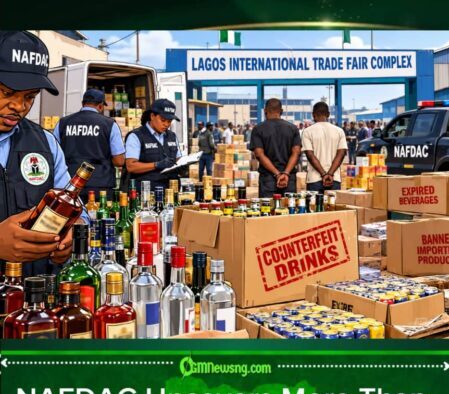








NAFDAC: Fake Products don become serious matter for Nigeria as suspected counterfeit toothpaste, medicines and beverages dey raise fresh concern about public health and safety, while consumers dey face the difficult task of knowing which product dem fit trust. The big question be say: if ordinary Nigerians no fit easily identify fake goods from original ones, who go help dem before the damage happen?
For country wey many households dey calculate every naira before dem enter market, the temptation to buy cheaper goods fit strong. But when counterfeit products enter the picture, the money wey person think say e save fit turn another kind of problem. After all, nobody go market to buy illness as extra gift, and nobody suppose need detective training before buying toothpaste!
The National Agency for Food and Drug Administration and Control (NAFDAC) dey work to identify and remove unsafe, unregistered and counterfeit products from circulation. However, the fight no fit depend on the agency alone. Manufacturers, importers, distributors, shop owners and consumers all get roles to play if Nigeria wan reduce the spread of fake goods.
FAKE PRODUCTS: WHEN THE PACKAGING LOOK ORIGINAL BUT THE STORY NO CLEAR
The material wey reach OGM News Pidgin raise concern about the growing circulation of suspected counterfeit goods, including toothpaste, medicines and beverages. These na products wey people dey use for everyday life, so any question about their quality or safety deserve serious attention. If medicine no contain the correct ingredients, or a personal-care product no meet the required safety standards, the consequences fit go beyond the money wey the buyer lose.
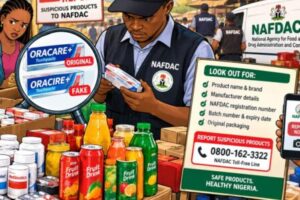
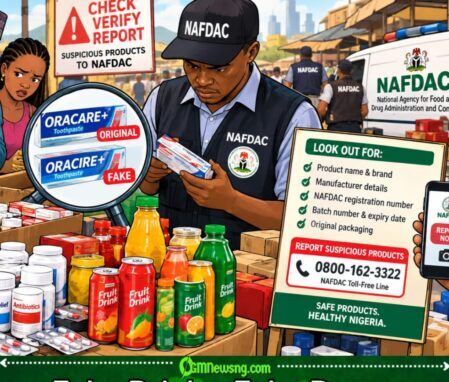
NAFDAC don repeatedly warn Nigerians about suspected counterfeit products. For September 2026, the agency raised alarm over suspected ORACIRE+ toothpaste wey reportedly resemble the registered ORACARE+ toothpaste. Surveillance at Ojuwoye Market, Mushin, Lagos, reportedly identified the suspicious product. According to the agency, the origin, composition, safety and quality of the suspected product had not been verified, while investigations and regulatory action were underway.
This kind case show one major problem with counterfeit goods: the difference between the original and the suspected fake fit no obvious to ordinary consumers. Sometimes, one or two letters for the product name fit change, while the packaging still look familiar. Na so buyer fit believe say e don buy the correct product without knowing say the product need further verification.
But make we no put every unusual package inside the same basket. Different packaging no automatically mean say a product na counterfeit. NAFDAC itself has previously documented complaints where investigations found that apparent differences in packaging and batch coding did not establish that a product was fake. That na why proper verification matter pass social media accusation.
NAFDAC: NA FIGHT AGAINST COUNTERFEIT GOODS NEED STRONGER ENFORCEMENT AND PUBLIC VIGILANCE
The problem no stop for suspected toothpaste. For September 2026, reports on NAFDAC enforcement activities raised concerns about counterfeiters allegedly establishing manufacturing facilities and distribution networks inside Nigeria. The agency also reported seizures and enforcement actions against suspected counterfeit operations. This development point to the importance of investigating not only the products themselves, but also the people and supply chains behind their production and distribution.
For consumers, the first step na to buy regulated products from reputable and authorised sellers whenever possible. Check the product name, manufacturer details, packaging condition, batch number, expiry date and NAFDAC registration details where applicable. If the information look suspicious, no assume say the product must be genuine simply because the seller arrange am neatly for shelf. Even counterfeit traders fit learn packaging design; unfortunately, their creativity no always dey serve humanity!
NAFDAC also provides an official channel for reporting suspected substandard or falsified medical products. Its reporting form allows consumers to identify the product type, explain the reason for suspicion, state where dem obtain am and attach supporting evidence, including product photographs and receipts. The agency also lists a toll-free reporting line, 0800-162-3322, for suspected substandard or falsified medicines and medical devices.
If you suspect say a product na fake, keep the packaging and purchase evidence where safe to do so, take clear photographs and report the matter through the appropriate official channel. No use the product simply because you don pay for am, and avoid spreading unverified accusations against a brand or business. For suspected medicine-related harm, seek advice from a qualified health professional and report the suspected adverse reaction to the relevant authorities.
The responsibility no belong to consumers alone. Regulatory agencies must investigate complaints promptly, publish clear warnings, trace distribution channels and take appropriate enforcement action when violations are established. Manufacturers and retailers must also protect their supply chains, while law-enforcement bodies should support efforts to identify and prosecute those responsible for illegal production and distribution.
At the end of the day, Fake Products na public-safety matter, no be ordinary market disagreement. Nigerians deserve products wey meet the required safety and quality standards, and businesses wey obey the law deserve protection from counterfeiters. The best response na informed consumers, evidence-based reporting and effective enforcement. OGM News Pidgin go continue to follow developments and bring verified updates as more information becomes available.
Table of Contents
Discover more from OGM News NG
Subscribe to get the latest posts sent to your email.