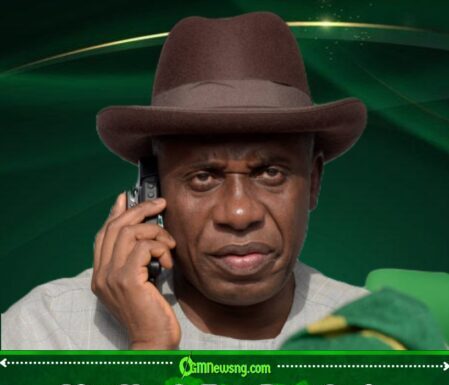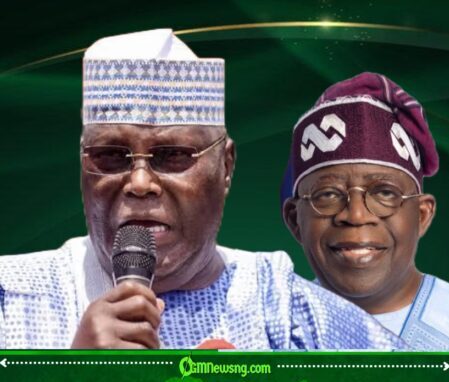






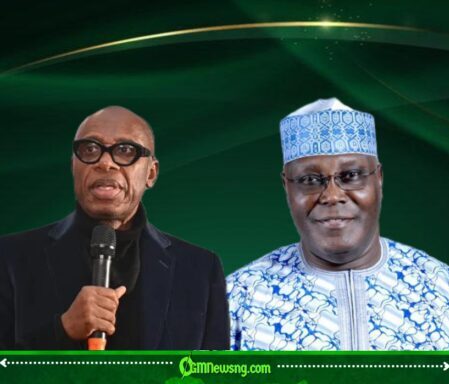
A routine fuel stop turned into an impromptu political gathering on Saturday when African Democratic Congress (ADC) presidential candidate Atiku Abubakar and his running mate, Rotimi Amaechi, arrived at a filling station to refuel their vehicle. What began as an ordinary visit to the pump quickly attracted onlookers, supporters and curious Nigerians, with the conversation eventually shifting from the price of petrol to one of the most politically sensitive promises in Nigeria: the return of fuel subsidy.
The encounter comes as the Atiku-Amaechi ticket steps up its campaign ahead of the 2027 presidential election. The ADC formally selected Amaechi as Atiku’s running mate in June and subsequently submitted both names to the Independent National Electoral Commission (INEC). INEC’s published final list also includes Atiku and Amaechi as the ADC’s presidential and vice-presidential candidates.
From Filling Station to Campaign Ground
According to the material from the encounter, Amaechi was behind the wheel while Atiku sat beside him when members of the public recognised them. As the crowd gathered, some called on Amaechi to step out and greet them, turning the filling station into something resembling an unexpected roadside campaign venue.
The conversation soon moved to fuel prices. Amaechi said an Atiku administration would reduce the cost of producing fuel, arguing that lower production costs would ultimately bring down the price paid by consumers. The timing was politically significant because Amaechi had only days earlier challenged the current administration over the cost of living and the consequences of fuel-subsidy removal.
Atiku Says He Will Bring Back Fuel Subsidy During Filling Station Encounter
When the crowd raised the issue of Atiku’s subsidy promise, Atiku responded in Hausa: “Zan dawo da tallafi insha Allahu” — meaning, “I will bring back the fuel subsidy, by God’s grace.” He later waved to the cheering crowd before Amaechi returned to the vehicle and drove away.
The promise now adds another layer to the already heated debate over how Nigeria should make petrol more affordable. Interestingly, Amaechi has also recently spoken about a production subsidy for locally refined fuel, saying an Atiku administration could seek to amend petroleum legislation if necessary to implement such a policy. That distinction matters because subsidising domestic production is different from simply restoring the old system of subsidising petrol consumption.
For Nigerians watching the political drama, however, the filling-station encounter may have raised a familiar question: if the government promises cheaper fuel, who ultimately pays for making it cheaper? In the satirical mathematics of election season, the pump may soon become both a place to buy petrol and a place to collect campaign promises—with the receipt possibly arriving much later.
The Atiku-Amaechi ticket has now attached a very visible symbol to its economic message: the fuel station. Whether the promise of cheaper petrol becomes an achievable policy, an election-winning slogan, or another political battle over subsidy design will depend on the details of any future programme. For now, Nigerians may want to keep their eyes on both the fuel pump and the campaign trail. Watch out for future updates on this developing political story on OGM News NG
Table of Contents
Discover more from OGM News NG
Subscribe to get the latest posts sent to your email.