

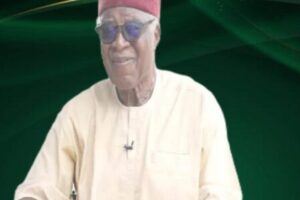





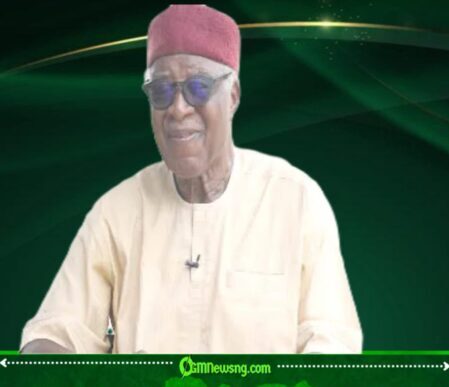
After decades in academia, public service and politics, Professor Daniel Iyorkegh Saror has offered a sobering reflection on his Resources and political journey, saying he may regret spending his personal resources on politics after much of his investment disappeared during his attempts to become governor of Benue State. At 85, the former Ahmadu Bello University Vice-Chancellor and former senator says politics gave him experience and public service opportunities, but the financial cost was another matter entirely.
When Politics Became an Investment With No Refund Policy
Saror’s political journey was hardly a small excursion. After leaving the university system, he entered the Senate and served for eight years, later attempting to become governor in 2007 and again in 2011. Looking back, he said the 2007 election was particularly painful and alleged that although he believed he had won, the announced result went in another direction. He eventually withdrew a court challenge after traditional leaders intervened, saying he lacked the resources to continue the legal battle.
Then came the financial arithmetic. Saror said that between 2007 and 2011, most of his investments were gone, leaving him to return to teaching to support himself. The professor who once occupied senior positions at ABU and served in the Senate effectively discovered one of Nigerian politics’ most complicated equations: entering politics may require money, leaving politics may require even more money, and recovering the money may require a miracle accountant.
From Senate Power To Counting the Cost
Saror’s story also illustrates how dramatically political life can differ from an academic career. He said he formally withdrew from active partisan politics in 2016 and later taught at Joseph Tarka University until 2023. According to him, payment problems affecting contract staff eventually ended that chapter, while his pension remained modest compared with his living expenses. He said his children now provide financial support.
Yet his reflection was not simply a complaint about personal finances. Saror said he remained proud of his public service and insisted that he never asked for or received a bribe. He also expressed concern about the wider political economy of northern Nigeria, arguing that excessive dependence on government and politics has come at the expense of investment, employment, education, agriculture and industrial development. His larger message appears to be that politics should not become the country’s only visible pathway to economic opportunity.
For now, Professor Saror’s remarkable political journey has produced a rather expensive lesson: political ambition can consume resources much faster than campaign promises can replenish them. His reflections raise fresh questions about the financial pressures surrounding Nigerian politics and what happens to politicians when the campaign banners come down and the bills remain. OGM News NG will continue to watch the story and bring readers further updates as more reactions emerge.
Table of Contents
Discover more from OGM News NG
Subscribe to get the latest posts sent to your email.