







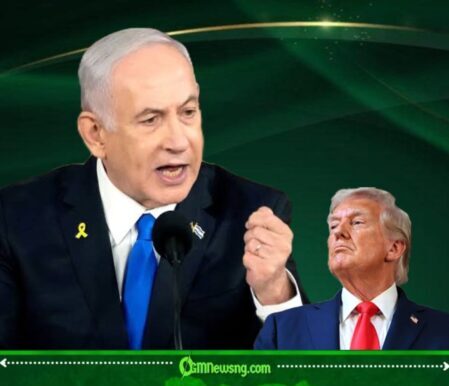
Israeli Prime Minister Benjamin Netanyahu has made his position unmistakably clear: when it comes to deciding when Israel’s war ends, Washington may have plenty of influence, but Jerusalem intends to keep the final say. The declaration comes amid continuing disagreements over the direction of the conflict and growing pressure for a political settlement. With U.S. President Donald J. Trump pursuing diplomatic initiatives aimed at ending regional conflicts, Netanyahu’s position highlights just how complicated the relationship between America’s influence and Israel’s military objectives has become.
Netanyahu Puts Israel’s Military in the Driver’s Seat
Netanyahu has argued that Israel must complete its military objectives before the fighting can truly end. During a May interview concerning the war with Iran, he pointed to unresolved issues involving nuclear material, enrichment facilities, Iranian proxies and ballistic missiles, making clear that he did not consider the conflict finished simply because diplomatic discussions were taking place.
In the satirical version of events, Washington can apparently bring the peace plan, the timetable and even the biggest diplomatic briefcase in the room—but Netanyahu appears to be keeping the remote control. The White House may suggest that it is time to change the channel, but Jerusalem seems determined to decide when the programme has reached its final episode.
Netanyahu Resists Pressure for a Quick Exit
Netanyahu has also demonstrated that U.S. pressure does not automatically translate into an Israeli military withdrawal. In August, he rejected a U.S.-backed Gaza proposal and maintained that Israel would not withdraw until Hamas was completely disarmed, creating an unusually public disagreement between the Israeli government and the Trump administration.
That leaves diplomats with the unenviable task of negotiating not only with opposing sides but also with the calendar. Every proposal may come with a suggested ending, yet Netanyahu continues to insist that Israel’s own security requirements must determine when the military chapter closes. The diplomatic table, it appears, has discovered that even the end button requires approval.
The dispute over who ultimately determines when the war ends is therefore about more than one statement: it reflects a broader question about the limits of American influence over a close ally and Israel’s determination to retain control over its military decisions. As President Trump continues pursuing his regional agenda and Benjamin maintains his conditions for ending Israeli operations, OGM News NG will continue watching this developing story and bringing readers the latest twists, turns and diplomatic surprises.
Table of Contents
Discover more from OGM News NG
Subscribe to get the latest posts sent to your email.