
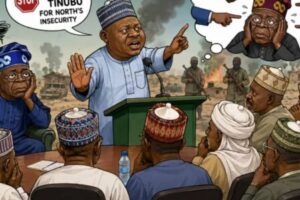

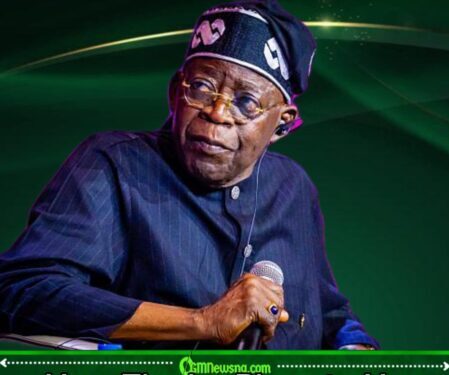
President Bola Ahmed Tinubu’s removal of Nigeria’s fuel subsidy is increasingly being presented as one of the boldest economic surgeries in the country’s recent history—a painful operation performed without anaesthetic, while millions of Nigerians watched the price of petrol climb and immediately began checking the condition of their wallets.
According to the trusted scoop available to OGM News NG, the Tinubu administration sees the controversial subsidy removal as a major source of fiscal space for investments in education, healthcare and infrastructure. The argument is simple: instead of pouring enormous public funds into keeping petrol artificially cheap, government wants more money directed toward building roads, supporting schools, improving hospitals and financing broader development. The challenge, however, is ensuring Nigerians can clearly see where the money is going.
Subsidy Money Gets a New Assignment
For years, fuel subsidy was treated like a permanent member of Nigeria’s national family—expensive, controversial and impossible to send away without causing serious drama. Tinubu changed that calculation shortly after assuming office in May 2023, declaring that the subsidy regime could no longer continue.
International financial institutions have acknowledged that the removal of costly fuel subsidies helped create room for fiscal reform and development spending. The IMF has repeatedly argued that savings from subsidy removal should be channelled into priority investments, including infrastructure, education, health and support for vulnerable citizens.
The Tinubu administration’s latest reform narrative also insists that the economic measures are creating resources for human capital, infrastructure and social protection. In the 2026 budget framework, education, health and infrastructure were all listed among major national spending priorities.
The Big Question: Where Are the Visible Gains?
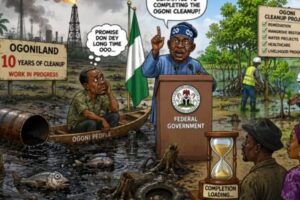
Here is where the satire meets the serious national conversation: Nigerians do not usually applaud economic theories with empty stomachs. Citizens want to see the savings translated into functioning classrooms, better-equipped hospitals, smoother roads, reliable electricity and opportunities that can reduce the crushing cost of living.
The evidence also suggests that the story is more complicated than simply saying subsidy money disappeared from petrol stations and magically reappeared as development projects. The IMF’s 2026 assessment noted challenges in tracking how subsidy savings accrued to the budget, while debt-service pressures and wider government spending have also complicated the fiscal picture
In other words, the subsidy funeral may have been expensive, but Nigerians are still waiting to attend the grand opening of the promised inheritance. The government says the reforms are laying the foundation for long-term national renewal; critics and ordinary citizens insist that the results must become more visible in daily life.
The importance of this story lies in one central question: can the painful sacrifice of subsidy removal genuinely produce better schools, hospitals and infrastructure? OGM News NG will continue to watch how the government converts reform promises into measurable results—and whether Nigerians eventually see the gains beyond budget speeches and official presentations.
Table of Contents
Discover more from OGM News NG
Subscribe to get the latest posts sent to your email.