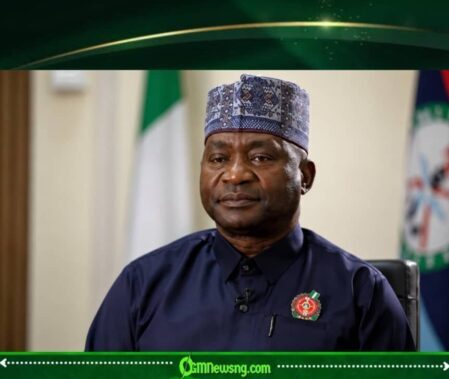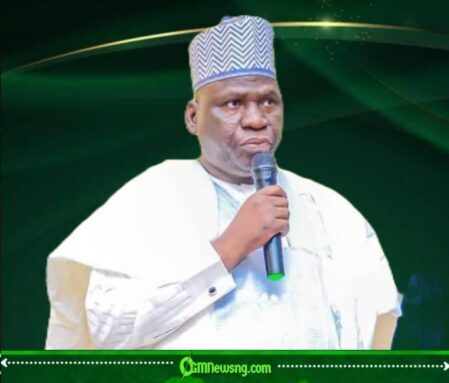



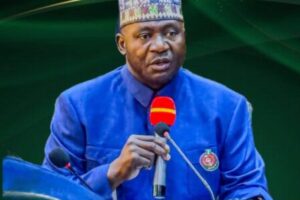
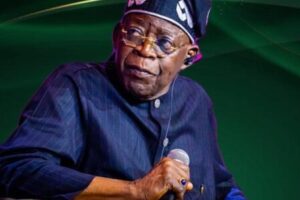
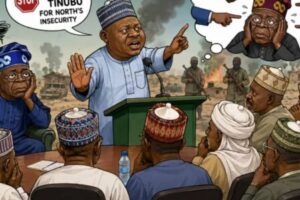

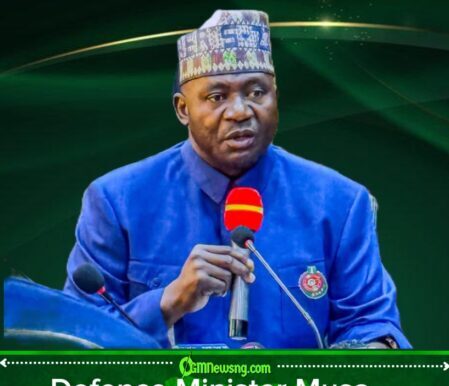
The political temperature in Kaduna rose sharply on Thursday after Defence Minister Christopher Musa accused former Kaduna State Governor Nasir El-Rufai of deliberately planning the killing of people in Southern Kaduna, an allegation that immediately pushed the state’s troubled history of violence, division and political rivalry back into national conversation. Musa made the claim during an interview on Politics Today, while also arguing that Governor Uba Sani’s administration had made efforts to rebuild trust and reduce the divisions he associated with the previous administration. The allegation is, however, an accusation by the minister and should not be treated as an established judicial finding.
Musa Reopens Kaduna’s Political Files
Musa’s intervention was particularly explosive because it did not merely accuse El-Rufai of poor governance; it placed the former governor at the centre of an alleged plan involving killings in Southern Kaduna. The minister said residents remained deeply traumatised by violence recorded during El-Rufai’s tenure and claimed that the former administration had created an atmosphere in which movement and coexistence between northern and southern communities became increasingly difficult. Historical reporting also records substantial killings across Kaduna during the period, including 286 deaths recorded in Kaduna South Senatorial District in 2020 alone.
In the satirical newsroom department, Kaduna’s old political files now appear to have developed a dangerous habit of reopening themselves whenever the microphones are switched on. Musa further alleged that El-Rufai had spoken publicly about paying bandits and other security-related actions, while also accusing him of using government power against residents. El-Rufai has not been shown in the latest reports as having been convicted over the specific allegation that he deliberately planned the killings, making the distinction between political accusation and proven fact particularly important.
Uba Sani Presented as the ‘New Kaduna’
Musa contrasted the situation he described under El-Rufai with the administration of Governor Uba Sani, saying the current government had made deliberate efforts to restore unity and rebuild trust across Kaduna. He acknowledged that the process was not yet complete but argued that residents now had greater freedom to live across the state. Sani’s administration has previously promoted inclusion and engagement with Southern Kaduna, while his government has also faced political debates over its relationship with the former governor and the direction of Kaduna.
The political comedy, therefore, lies less in the suffering itself—which remains a serious matter—and more in the familiar Nigerian spectacle of yesterday’s political arguments returning with fresh microphones, fresh accusations and very old wounds. Musa ultimately urged Nigerians to reject politicians who exploit religion, ethnicity and other differences to divide the country. His warning carries a broader message: Kaduna’s political history may provide plenty of material for politicians, but the consequences of division are measured in human lives, displacement and trauma rather than election-season sound bites.
The latest allegation has added another dramatic chapter to the long-running political contest over Kaduna’s past and present, but the most serious questions remain those requiring evidence, accountability and healing rather than competing political narratives. OGM News NG will continue to watch developments closely as reactions emerge and the controversy surrounding Musa’s claims unfolds.The report above keeps the satirical tone while clearly distinguishing Musa’s allegations from established facts, which is especially important given the seriousness of the accusation. The latest report confirms Musa made the allegation on September 3, 2026.
Table of Contents
Discover more from OGM News NG
Subscribe to get the latest posts sent to your email.