




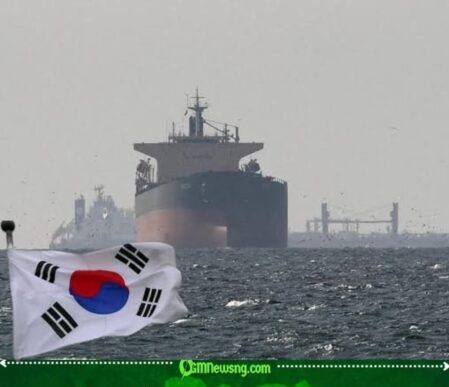
South Korea is weighing whether to take military measures to help protect freedom of navigation in the Strait of Hormuz, according to the latest developments, putting Seoul in the uncomfortable position of deciding how far it is willing to go in a conflict thousands of kilometres from home. South Korea’s presidential office said on September 4 that military options are being reviewed, while stressing that no deployment has yet been decided. The issue has gained urgency amid continuing tensions surrounding the strategically vital waterway.
The development is particularly significant because President Donald J. Trump had previously called on South Korea and other countries to contribute naval assets to help keep the waterway open. South Korea, however, must balance any overseas military role against its own security situation on the Korean Peninsula, domestic legal requirements and parliamentary approval.
South Korea Reviews a High-Stakes Military Option
South Korea is considering practical ways to contribute to freedom of navigation in the Strait of Hormuz, with military measures reportedly among the options being examined. Officials have emphasized that discussions are still underway and that no final decision has been made on sending military assets.
That careful wording has naturally left international observers staring at Seoul’s statements like students waiting for the final answer after an unusually difficult examination. One moment it is “under review”; the next, everyone wants to know whether ships are actually preparing to sail. For now, the paperwork appears to be moving faster than the warships.
South Korea Faces Pressure From Washington and Risks at Home
South Korea has been under pressure to play a greater role in protecting shipping through the Hormuz waterway, especially after President Trump called for allied support. Seoul has previously considered options including naval vessels and minesweepers, although any deployment would face legal, political and military considerations.
For South Korea, the calculation is complicated: helping secure a crucial international shipping route could demonstrate solidarity with partners and protect its economic interests, but sending military assets abroad could also create new risks while tensions remain high on the Korean Peninsula. In other words, Seoul has been handed a diplomatic plate containing several difficult choices—and unfortunately, none came with an instruction manual.
The latest position remains one of consideration rather than commitment. Whether South Kore ultimately sends military assets to the Strait of Hormuz, chooses a limited support role or decides that the safest contribution is to remain on the sidelines will depend on further discussions and required domestic procedures. OGM News NG will continue watching this developing story, because in international politics, “nothing has been decided” can sometimes be the sentence that comes immediately before everyone starts watching the ships.
Table of Contents
Discover more from OGM News NG
Subscribe to get the latest posts sent to your email.