







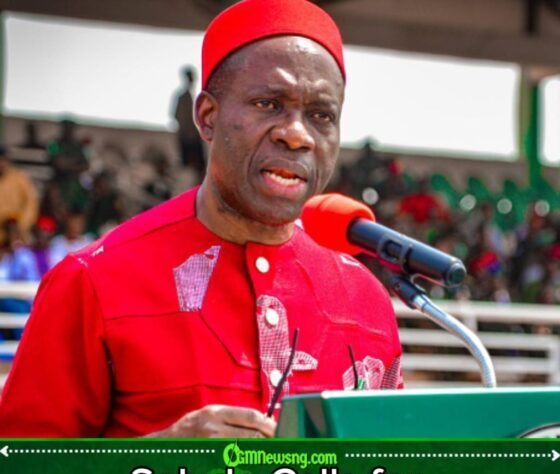
State Police has once again taken centre stage in Nigeria’s security conversation after Anambra State Governor Chukwuma Soludo declared that the national debate has moved beyond whether state police should exist to the more difficult question of how it should be established. His remarks have reignited discussions over Nigeria’s federal structure, with growing calls for constitutional reforms as insecurity continues to test the country’s highly centralised policing system. While many now agree that change is inevitable, the real battle appears to be over who controls the steering wheel once the journey begins.
State Police And Focusing On Workable Implementation
Governor Soludo argued that the conversation surrounding State Police has matured significantly, insisting that the country should now focus on designing workable implementation frameworks rather than repeatedly debating the concept itself. According to him, strengthening Nigeria’s federal arrangement through constitutional reforms would allow states to respond more effectively to local security challenges while maintaining national cohesion. In a subtle swipe at decades of endless policy discussions, the governor suggested that Nigeria has become an expert at debating solutions without always building the institutions needed to implement them.
The governor’s position reflects increasing frustration among many state governments facing persistent kidnappings, armed robberies, communal clashes and other security threats despite the presence of the centrally controlled Nigeria Police Force. Supporters argue that locally managed police agencies would possess better knowledge of their communities, languages and criminal networks. Critics, however, continue to warn that without strong constitutional safeguards, State Police could be manipulated by powerful governors to intimidate political opponents or suppress dissent during elections.
Constitutional Reforms And Role Of State Government
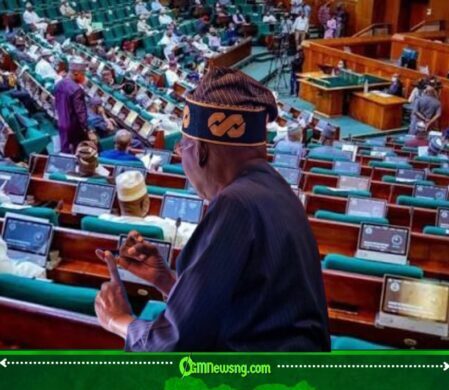
Recent developments provide important context for Soludo’s remarks. The National Economic Council, chaired by the Vice President and comprising all 36 state governors, has previously expressed broad support for creating State Police, directing governors and relevant stakeholders to work on practical models for implementation. Discussions have also continued within the National Assembly as lawmakers examine constitutional amendments that could redefine policing responsibilities across the federation. Security experts have repeatedly stressed that any new arrangement must include clear oversight mechanisms, funding structures, recruitment standards and accountability measures to prevent abuse.
Nigeria’s current policing system is rooted in the 1999 Constitution, which places policing almost entirely under federal control. While supporters of constitutional reforms believe decentralisation could improve response times and intelligence gathering, legal analysts caution that structural changes alone will not solve insecurity without adequate funding, professional training, judicial reforms and stronger oversight institutions. The debate has therefore shifted beyond political slogans into the more demanding task of designing institutions that can balance local autonomy with national security interests. As the old satirical saying might be updated, everyone now agrees the house needs a new roof—the remaining argument is over who gets to hold the ladder.
As Nigeria continues debating State Police and wider constitutional reforms, attention will likely remain on how lawmakers, governors, civil society groups and security experts reconcile competing interests. Whether the country eventually embraces decentralised policing or adopts a hybrid model, the coming constitutional debates may prove just as important as the security reforms themselves. OGM News Nigeria will continue monitoring developments as policymakers move from promises and speeches toward decisions that could reshape Nigeria’s federal system for generations.
Table of Contents
Discover more from OGM News NG
Subscribe to get the latest posts sent to your email.