









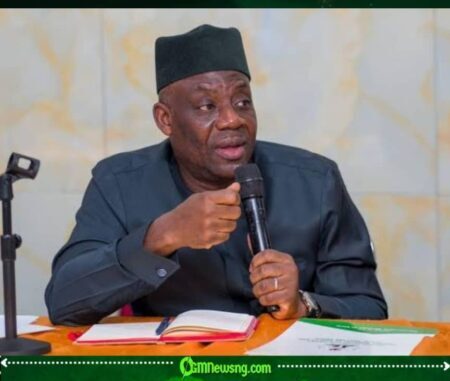
JSS–SSS Separation has become the centre of a major education reform debate after the Federal Government announced plans to discontinue the administrative divide between Junior Secondary Schools and Senior Secondary Schools, arguing that the policy has contributed to Nigeria’s worsening school dropout crisis. The proposal comes amid official concerns that millions of learners fail to continue beyond junior secondary education, raising fresh questions about whether bureaucracy has stood in the way of educational access.
Policy Failure Has Bring The Separation Of JSS–SSS
The Federal Government says the existing JSS–SSS Separation policy has failed to achieve its original objective of improving school administration. According to the Minister of Education, Dr. Olatunji Alausa, maintaining separate management structures has instead created unnecessary administrative bottlenecks that make progression from junior to senior secondary school more difficult for students. The proposal to discontinue the arrangement will be presented to the National Council on Education for consideration.
The minister also cited a significant imbalance in educational infrastructure, noting that Nigeria has far more public primary schools than junior secondary schools, creating overcrowding at one level while many senior secondary schools remain underutilised. He argued that education policies should prioritise learners rather than administrative expansion, describing the reform as part of a broader effort to improve access and learning outcomes.
School Dropouts Causes JSS–SSS Separation
The proposed reform arrives against the backdrop of Nigeria’s long-standing challenge of out-of-school children, one of the largest such populations globally. Government officials estimate that more than 20 million learners fail to progress through the education system before reaching senior secondary school, while recent assessments have also highlighted persistent learning poverty among children who remain enrolled. Alongside the proposed policy reversal, the ministry has intensified efforts to complete and operationalise Smart Schools, Bilingual Schools and Alternative Schools funded through the Universal Basic Education Commission.
Education specialists have repeatedly argued that improving retention requires more than building classrooms. They point to the need for better teacher deployment, stronger data systems, improved funding, security for schools in vulnerable communities and smoother transitions between education levels. Recent government initiatives, including expanded learner identification and digital education management systems, are also intended to improve planning and reduce student attrition across the country.
If approved, the proposed JSS–SSS Separation reform could become one of the most significant changes to Nigeria’s secondary education structure in years. While many stakeholders welcome efforts to simplify student progression, the true measure of success will depend on whether the changes translate into fewer School Dropouts, stronger learning outcomes and improved access to quality education. OGM News Nigeria will continue monitoring developments as the proposal advances through the country’s education policy process.
Table of Contents
Discover more from OGM News NG
Subscribe to get the latest posts sent to your email.