









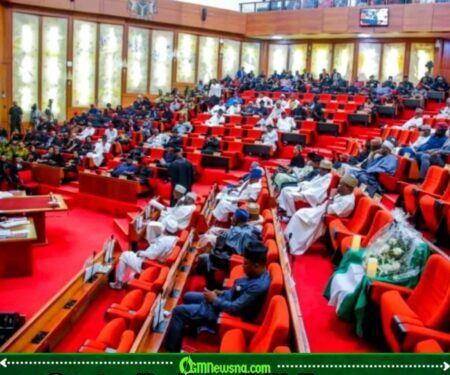
The State Police debate reached another pivotal moment on Wednesday as several state governors and senior federal officials converged on the Senate to observe proceedings on the proposed legislation. Their presence transformed what might have been a routine legislative exercise into a high-stakes political event, underscoring the growing importance of a proposal that could fundamentally alter Nigeria’s security architecture. With supporters describing the reform as overdue and critics warning of unintended consequences, the Senate vote has become a focal point in the national conversation about security, governance, and federalism.
Security Reform Inline With Caution And Strategic Plan
The State Police proposal has emerged as one of the most significant constitutional reform efforts currently before the National Assembly. Observers noted the presence of senior political leaders in the Senate gallery, highlighting the level of interest surrounding the vote and the potential implications for state governments.
The proposal seeks to move policing beyond its current centralized framework by allowing states to establish and operate their own police services under constitutional guidelines. Advocates argue that governors are often held accountable by citizens for security challenges despite lacking direct operational control over policing within their states. They contend that locally managed security institutions could improve intelligence gathering, response times, and familiarity with community-specific threats.
Federalism Based On Common Goals In Security
The State Police conversation did not emerge overnight. For decades, policymakers, security experts, and constitutional reform advocates have debated whether Nigeria’s centralized policing model is sufficiently equipped to address the country’s diverse security challenges. Recent legislative developments have given the proposal fresh momentum, with lawmakers advancing constitutional amendments aimed at creating a framework for federal and state police structures operating side by side.
Supporters argue that decentralization could provide more effective responses to threats ranging from kidnapping and banditry to communal violence and organized crime. However, critics remain cautious. Concerns persist over funding disparities among states, coordination between federal and state agencies, and the possibility that future administrations could misuse state-controlled security forces for political purposes. These concerns have fueled calls for strong oversight mechanisms and constitutional safeguards should the reform ultimately become law.
As the State Police debate continues to unfold, attention is shifting from whether reform is needed to how it should be implemented. The Senate vote represents another major milestone, but additional constitutional processes remain before any final transformation of Nigeria’s policing structure can take effect. OGM News Nigeria will continue monitoring developments as lawmakers, governors, and citizens await the next chapter in one of the nation’s most consequential governance debates.
Table of Contents
Discover more from OGM News NG
Subscribe to get the latest posts sent to your email.