

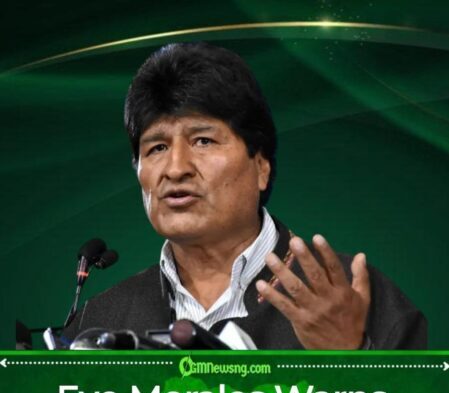
The Bolivia Crisis took a dramatic turn after former president Evo Morales warned that the South American nation could be heading toward civil war, a statement that immediately intensified concerns about the country’s political future. The warning comes at a time when protests, economic hardships, road blockades, and fierce political rivalries continue to dominate national discourse. While supporters of Morales view his comments as a realistic assessment of mounting tensions, critics argue that such language risks further destabilizing an already fragile situation. As uncertainty grows, many Bolivians are questioning whether the nation is approaching a breaking point or merely experiencing another chapter in its long history of political turbulence.
Civil War Warning Shakes Bolivia Crisis as Leaders Trade Blame
The Bolivia Crisis has become increasingly volatile in recent months as demonstrations and political confrontations spread across several regions of the country. Road blockades have disrupted transportation routes, creating difficulties for businesses and ordinary citizens alike. Fuel shortages and interruptions in the supply of essential goods have added to public frustration, turning economic concerns into political grievances. The resulting atmosphere has fueled fears that prolonged instability could lead to more serious consequences if no solution is found.
Evo Morales has repeatedly argued that public dissatisfaction is being driven by worsening economic conditions and growing distrust among political factions. Government officials, however, have pushed back against such claims and have accused political actors of escalating tensions for strategic purposes. As accusations continue to fly between rival camps, many citizens find themselves caught in the middle, watching leaders exchange blame while practical solutions remain difficult to identify. The situation has become so tense that even routine political statements now generate national debate and widespread speculation about what may happen next.
Is Bolivia Heading for Collapse? Morales Thinks So
Beyond the immediate protests and political disagreements, the Bolivia Crisis reflects deeper structural challenges that have been developing over several years. Economic pressures, declining public confidence in institutions, and persistent political polarization have created an environment in which disagreements are increasingly difficult to resolve. Analysts note that many of the current tensions stem not from a single event but from a combination of economic and political factors that have gradually intensified over time.
International observers have also expressed concern about the direction of events, emphasizing the importance of preserving democratic processes and preventing violence. Although some experts believe Bolivia’s institutions remain strong enough to withstand the current turmoil, others warn that prolonged confrontation could further strain public trust and weaken confidence in political leadership. The debate has transformed Morales’ warning from a controversial statement into a broader discussion about the future of governance, stability, and national unity in Bolivia.
As the Bolivia Crisis continues to unfold, the country’s leaders face increasing pressure to reduce tensions and restore confidence among the population. Whether Evo Morales’ prediction proves accurate or ultimately serves as a political alarm bell remains uncertain. What is clear is that Bolivia stands at a critical moment, with citizens, political leaders, and observers around the world closely watching for signs of either reconciliation or further escalation. OGM News Nigeria will continue monitoring developments and providing updates as this evolving story enters its next phase.
Table of Contents
Discover more from OGM News NG
Subscribe to get the latest posts sent to your email.