




Fuel Taxes have become the centre of a fresh national debate after the Federal Government categorically denied reports suggesting that new charges would be imposed on petroleum products and telecommunications services. The reassurance arrived amid growing public anxiety over living costs, with many Nigerians fearing that another round of economic adjustments was quietly approaching. Yet behind the government’s denial lies a broader conversation about revenue generation, economic reform, and the delicate balance between fiscal sustainability and public hardship.
Government Moves to Calm Fears Over Possible Fuel and Data Levies
The Federal Government stated that reports claiming imminent Fuel Taxes and Telecom Taxes were inaccurate and did not represent official policy. According to government officials, recent speculation stemmed from public interpretations of economic recommendations contained in an International Monetary Fund (IMF) assessment of Nigeria’s economy. Authorities stressed that recommendations made by international institutions do not automatically translate into government action and are not binding on Nigeria.
Officials further clarified that the existing VAT waiver on petroleum products remains intact and has not been withdrawn. They also noted that while legal provisions exist for certain fuel-related surcharges, such measures would require formal administrative and legal processes before implementation. The government emphasized that its current focus remains on improving revenue collection efficiency, reducing leakages, and stimulating economic activity rather than introducing additional burdens on consumers.
Fuel Taxes: IMF Recommendations Ignite Debate as Government Rejects New Levies
The Fuel Taxes controversy emerged after the IMF’s latest consultation report suggested that Nigeria could consider additional tax measures over the medium term, including extending VAT coverage to fuel products and introducing excise duties on telecommunications services. The recommendations were presented as possible options for expanding government revenue and creating fiscal space for development spending, although the IMF also acknowledged concerns about poverty and food insecurity when considering the timing of any such policies.
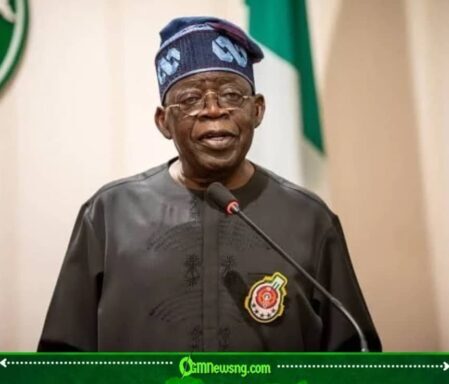
The strong public reaction reflects the wider economic environment. Since major reforms began under President Bola Tinubu’s administration, including subsidy removal and tax restructuring, Nigerians have become highly sensitive to discussions involving fuel prices and communication costs. Industry stakeholders have also argued that the telecommunications sector already faces numerous taxes and regulatory charges, warning that additional levies could affect affordability and digital inclusion. At the same time, economists continue debating how Nigeria can improve one of the world’s lower tax-to-GDP ratios without worsening pressure on households and businesses.
For now, the government’s position is clear: no new Fuel Taxes or Telecom Taxes are being planned. Nevertheless, the episode demonstrates how economic policy discussions can quickly trigger public concern in a country where fuel and communication services influence nearly every aspect of daily life. OGM News Nigeria will continue monitoring developments surrounding fiscal reforms, revenue policies, and any future proposals that could affect consumers and businesses across the country.
Table of Contents
Discover more from OGM News NG
Subscribe to get the latest posts sent to your email.