









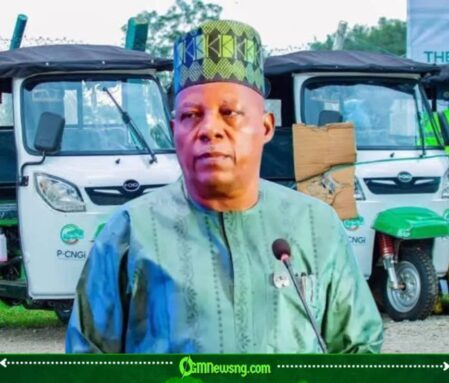
Electric Tricycles are at the center of a major policy push by the Federal Government as authorities prepare to deploy 10,000 units across Nigeria beginning in August, a move that supporters say could reshape urban transportation while critics question whether the country is fully prepared for such an ambitious transition. The announcement has generated excitement among commuters and transport operators, but it has also triggered questions about infrastructure, electricity access, and long-term sustainability.
The planned rollout is being presented as more than a transportation programme. Government officials describe it as part of a wider economic and environmental strategy aimed at reducing transportation costs, creating jobs, supporting clean-energy adoption, and accelerating Nigeria’s transition toward greener mobility solutions. Whether the initiative becomes a transformative success or another policy challenge remains one of the most closely watched questions ahead of implementation.
Electric Tricyles Programme Expected to Boost Green Transport and Economic Growth
The Federal Government says the Electric Tricycles initiative will be deployed in phases from August as part of broader efforts to modernize transportation and encourage environmentally friendly alternatives to conventional fuel-powered vehicles. Officials believe the programme can help reduce operating expenses for transport operators while contributing to national climate and energy goals.
Beyond transportation, the project is also being promoted as an economic empowerment programme. Authorities expect the deployment to generate employment opportunities across vehicle operations, maintenance services, technical support, charging infrastructure, and related supply chains. In a country where transportation remains a critical component of daily economic activity, policymakers view Electric Tricycles as a tool that could support both mobility and livelihoods.
Green Transport Push Sparks Debate Over Infrastructure and Sustainability
The Electric Tricycles programme arrives amid increasing government interest in electric mobility and renewable energy solutions. In recent years, policymakers have announced various initiatives aimed at encouraging local electric vehicle adoption, reducing dependence on imported fuel products, and positioning Nigeria within the global shift toward cleaner transportation technologies.
Industry observers note that successful implementation will likely depend on factors extending beyond vehicle deployment alone. Charging networks, battery replacement systems, maintenance capacity, financing arrangements, operator training, and power availability may ultimately determine whether Electric Tricycles achieve widespread adoption. While electric vehicles generally offer lower operating costs compared to fuel-powered alternatives, infrastructure readiness often becomes the decisive factor in large-scale transitions.
There is also growing recognition that many countries pursuing green mobility have relied on phased implementation strategies, allowing governments and operators to identify operational challenges before expanding programmes nationwide. As a result, stakeholders will be closely monitoring the August rollout for signs of scalability, affordability, and public acceptance.
The coming months may therefore prove decisive for Nigeria’s Green Transport ambitions. If successfully executed, the Electric Tricycles initiative could become a notable milestone in the country’s energy transition agenda and urban mobility development. If challenges emerge, policymakers may be forced to address infrastructure gaps more aggressively before expanding the programme further. OGM News Nigeria will continue monitoring developments as implementation begins.
Table of Contents
Discover more from OGM News NG
Subscribe to get the latest posts sent to your email.