

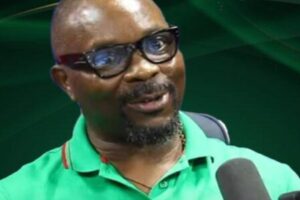


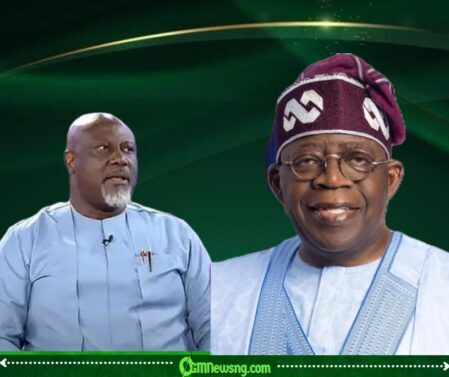
DISCONNECT has become the latest political battleground following sharp criticism of President Bola Ahmed Tinubu’s Democracy Day address by former Kogi West Senator Dino Melaye, who accused the administration of presenting an overly optimistic picture of a country still grappling with insecurity and economic hardship. Speaking during a posthumous colloquium honouring the late media entrepreneur Raymond Dokpesi in Abuja, Melaye argued that the speech failed to reflect the realities confronting millions of Nigerians. His remarks have sparked renewed debate about the gap between official government messaging and public perception, transforming a national celebration of democracy into a fresh contest over performance, accountability, and trust.
Melaye Calls for Stronger Action on Insecurity After Democracy Day Address
Melaye’s criticism centred on what he described as a growing mismatch between government declarations and citizens’ experiences. According to the former senator, widespread kidnappings, violent attacks, and worsening economic conditions contradict claims of progress and national recovery. He argued that the country requires urgent and decisive action, particularly in the area of security, where public confidence has repeatedly been tested by high-profile incidents across multiple states.
DISCONNECT emerged as the dominant theme of his intervention as he accused political leaders of failing to fully acknowledge the scale of public suffering. Melaye further contended that constitutional obligations regarding the security and welfare of citizens must remain the primary benchmark for evaluating any administration. His comments were echoed by several speakers at the event, who expressed concern about democratic participation, political accountability, and the need to preserve space for dissenting opinions within Nigeria’s democratic system.
Democracy Day Broadcast Sparks Fresh Questions About Government Performance
President Tinubu’s Democracy Day address highlighted Nigeria’s 27 years of uninterrupted civilian rule, celebrated democratic resilience, and called for continued faith in national institutions. The President also emphasized electoral credibility, democratic participation, economic reforms, and efforts to strengthen governance while urging citizens to continue believing in Nigeria’s future.
DISCONNECT also appears in the broader national conversation surrounding the speech. While opposition politicians and advocacy groups argued that the address did not sufficiently confront current economic and security concerns, other observers noted that the President’s remarks appropriately reflected the symbolic nature of Democracy Day while outlining ongoing reform efforts. Recent reactions from political parties, civil society groups, and democracy advocates demonstrate that the speech has become a focal point for wider debates about governance, public trust, insecurity, and the effectiveness of democratic institutions.
As Nigeria moves beyond the Democracy Day celebrations, the argument may no longer be about the speech itself but about the realities citizens encounter after the microphones are switched off. Whether viewed as a statement of progress or a reflection of political optimism, the controversy surrounding the address shows that DISCONNECT remains a powerful word in Nigeria’s political vocabulary. OGM News Nigeria will continue monitoring reactions, policy responses, and developments that may shape both public confidence and the road toward the next electoral cycle.
Table of Contents
Discover more from OGM News NG
Subscribe to get the latest posts sent to your email.