


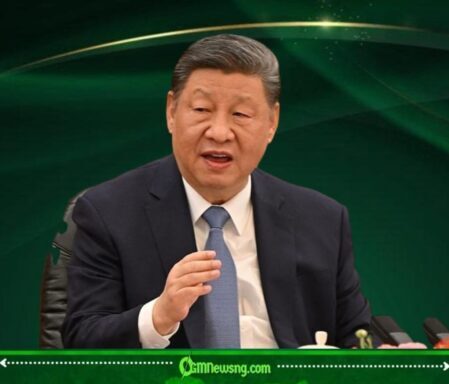
China has thrust itself into the center of a growing geopolitical debate after declaring that the world can continue functioning during difficult times without depending on the United States. The statement has attracted global attention because it touches on one of the most sensitive questions in international politics today: whether the balance of power is shifting away from a system long dominated by Washington. While supporters view the remarks as a reflection of changing realities, critics see them as a bold attempt by Beijing to elevate its own influence on the world stage.
BEIJING CHALLENGES DECADES OF U.S. DOMINANCE WITH BOLD NEW MESSAGE
China has increasingly promoted the idea that international affairs should not be controlled by a single nation. Chinese officials have argued that countries should cooperate through a more balanced global system where multiple powers contribute to solving international challenges. The latest comments are consistent with Beijing’s broader diplomatic message that global governance should be more inclusive and less dependent on any one country’s leadership.
China’s position comes as it continues to expand its economic, technological, and diplomatic reach across several regions of the world. Through trade partnerships, infrastructure projects, and growing political influence, Beijing has sought to strengthen its role in international affairs. Supporters of China’s approach argue that the rise of additional major powers can create a more balanced international environment, while critics contend that replacing one dominant influence with another may not necessarily solve global concerns about power and accountability.
IS THE AMERICAN ERA ENDING? CHINA THINKS THE WORLD CAN MOVE ON
China’s remarks have reignited discussion about whether the international system is entering a new era. Some analysts believe the world is gradually becoming more multipolar as emerging economies gain influence and challenge traditional centers of power. According to this view, Beijing’s statement reflects a broader trend in which countries increasingly seek alternatives to long-standing political and economic structures.
At the same time, many experts caution against underestimating the continuing role of the United States. America remains one of the world’s most influential military, economic, and technological powers, maintaining extensive alliances and global partnerships. For that reason, some observers argue that the future is less likely to involve one country replacing another and more likely to involve major powers—including China and the United States—competing and cooperating at the same time.
China’s declaration may ultimately be remembered less for the controversy it created and more for the questions it raised about the future of global leadership. Whether Beijing’s vision becomes reality or remains an ambitious political message, China has successfully placed itself at the center of a conversation that is shaping international relations. As debates over power, influence, and global governance continue, OGM News Nigeria will closely monitor how China’s growing role affects the evolving world order.
Table of Contents
Discover more from OGM News NG
Subscribe to get the latest posts sent to your email.