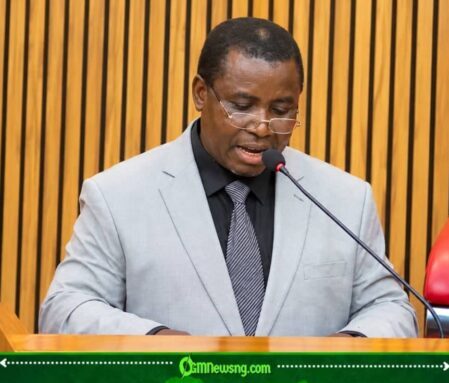









The debate over Terrorists and Rehabilitation has once again captured national attention after security commentator Jackson Iroegbu reportedly argued that terrorists should be executed rather than rehabilitated with taxpayers’ money. The remark has reignited a deeply emotional conversation touching on justice, security, accountability and the difficult question of how a nation should respond to those associated with violent extremism. As public frustration over insecurity persists, the controversy has exposed the sharp divisions between demands for punishment and arguments for rehabilitation.
REHABILITATION AND THE OPPOSITE SIDE EFFECTS
Iroegbu’s reported position reflects a sentiment shared by many Nigerians who believe that individuals linked to terrorist activities should face severe legal consequences rather than government-funded rehabilitation programmes. Supporters of this view argue that victims of terrorism often receive less public attention than former insurgents who pass through deradicalisation initiatives.
The controversy comes amid continued public scrutiny of Operation Safe Corridor and related reintegration efforts. Military authorities have repeatedly defended the programme, stating that participants undergo screening and that many are individuals who were forced into terrorist groups rather than active combatants. Defence officials have maintained that rehabilitation targets carefully assessed individuals and forms part of broader efforts to reduce extremist recruitment and encourage defections.
TERRORISTS AND THE FEAR OF THE PUBLIC
The broader context surrounding Terrorists and Rehabilitation reveals why the issue remains politically and emotionally sensitive. Recent reports indicate that hundreds of former insurgents have completed rehabilitation programmes and returned to communities after undergoing counselling, vocational training and deradicalisation processes. Officials argue that such programmes support long-term peacebuilding and reduce the likelihood of continued conflict.
At the same time, concerns persist regarding transparency, public trust and the potential risks of reintegration. Government officials in Borno State have defended reintegration measures, saying participants undergo extensive screening before release and that additional safeguards are used within rehabilitation frameworks. Critics remain unconvinced, arguing that justice for victims must remain central to any counterterrorism strategy. Meanwhile, Nigeria has also continued prosecuting terrorism-related cases through the courts, with hundreds of convictions reported in recent proceedings, highlighting that rehabilitation exists alongside criminal prosecution rather than replacing it.
As Nigeria continues confronting terrorism, the argument over Terrorists and Rehabilitation is unlikely to disappear. The challenge facing policymakers remains balancing justice for victims, accountability for offenders, national security objectives and the long-term goal of preventing future violence. OGM News Nigeria will continue monitoring developments as the national conversation evolves and as authorities face increasing pressure to demonstrate that every security policy serves both justice and public safety.
Table of Contents
Discover more from OGM News NG
Subscribe to get the latest posts sent to your email.