








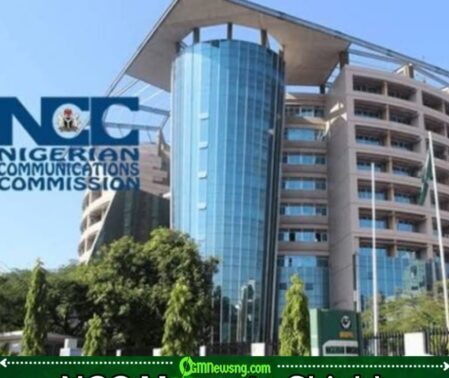
NCC and competition have suddenly returned to the center of Nigeria’s telecom debate after the Nigerian Communications Commission signaled fresh determination to protect smaller operators from what many industry stakeholders describe as unfair competitive practices by dominant market players. The announcement has triggered renewed scrutiny of how power, pricing, infrastructure control, and subscriber influence are shaping the future of one of Nigeria’s most lucrative industries. While the regulator insists the move is necessary to preserve fairness and innovation, critics argue that the battle may expose deeper structural problems that have quietly existed for years beneath the rapid growth of Nigeria’s telecommunications sector.
Dominance And Retainances In Position
The NCC’s latest position comes amid long-standing complaints from smaller telecom operators who claim they are being overwhelmed by larger competitors with enormous financial strength, wider infrastructure networks, and stronger customer retention capacity. Industry stakeholders have repeatedly warned that aggressive pricing strategies, promotional campaigns, and uneven access to telecom infrastructure have created an environment where smaller players struggle to remain competitive. Some observers argue that the imbalance has gradually reduced meaningful competition despite the appearance of a crowded telecom market.
Telecommunications experts note that Nigeria’s telecom industry has experienced massive expansion over the past two decades, with mobile connectivity becoming central to banking, commerce, education, and digital communication. However, that rapid expansion has also concentrated significant influence in the hands of a few dominant operators controlling the majority of subscribers and infrastructure assets. Analysts believe the NCC’s intervention reflects growing concern that excessive concentration could eventually weaken innovation, reduce consumer choice, and place smaller providers at permanent disadvantage.
Competition Against Flexibility
Recent regulatory discussions within the sector have increasingly focused on anti-competitive behavior, infrastructure sharing, spectrum allocation, and market fairness. Industry analysts say smaller operators often face higher operational burdens because they lack the financial flexibility enjoyed by larger competitors capable of sustaining aggressive expansion and promotional pricing for extended periods. Some experts argue that without stronger oversight, the telecom market risks evolving into an environment where survival depends less on innovation and more on financial dominance.
Beyond Nigeria, regulators in several countries have intensified scrutiny of telecom competition due to fears that market concentration can negatively affect pricing, service quality, and digital inclusion. In Nigeria’s case, the debate also intersects with broader economic realities, including rising energy costs, inflation, foreign exchange pressure, and infrastructure challenges affecting the telecommunications sector. These pressures have increased operational costs across the industry, but smaller operators are often believed to absorb the impact more severely due to limited scale and weaker capital reserves.
The NCC’s renewed emphasis on competition may therefore signal a broader regulatory effort to preserve market diversity before weaker operators disappear entirely from critical segments of the industry. Yet the announcement is already generating mixed reactions, with some observers warning that excessive intervention could discourage investment or create uncertainty among larger telecom firms driving substantial infrastructure growth nationwide.
As the debate unfolds, Nigerians may soon witness a defining moment in the telecom sector’s evolution. Whether the NCC can successfully balance competition, innovation, investment, and consumer protection remains uncertain, but one reality is becoming increasingly difficult to ignore: the struggle over NCC policy and telecom competition may ultimately determine who controls the future of Nigeria’s digital economy.
Table of Contents
Discover more from OGM News NG
Subscribe to get the latest posts sent to your email.