







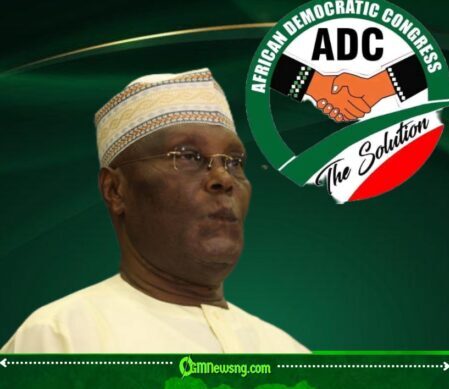
Atiku Abubakar has once again emerged as a dominant figure in Nigeria’s opposition politics after securing the presidential ticket of the African Democratic Congress (ADC) ahead of the 2027 general elections. The Atiku victory, which has already generated widespread reactions across political circles and social media platforms, is being viewed by supporters as proof of political endurance and by critics as another reminder of Nigeria’s long-running attachment to familiar political figures.
The Atiku emergence also arrives at a politically sensitive period when many Nigerians are expressing frustration over economic pressures, inflation, unemployment, and rising public dissatisfaction with governance. Against this backdrop, the decision of the ADC to rally behind one of the country’s most recognizable political veterans has immediately sparked both excitement and skepticism nationwide.
Atiku Abubakar’s Realignment with ADC
The Atiku primary victory reportedly followed consultations and strategic alignments within the ADC, a party increasingly attempting to position itself as a stronger opposition platform ahead of the next presidential election cycle. Party insiders described the process as competitive but largely peaceful, with delegates ultimately backing Atiku’s extensive political experience and nationwide recognition.
The Atiku candidacy is also expected to intensify political calculations among rival opposition groups seeking coalitions capable of challenging the ruling establishment. Analysts note that Nigeria’s opposition landscape has remained fragmented in recent years, often weakening its ability to build a unified electoral front. By securing the ADC ticket early, Atiku may now attempt to attract dissatisfied politicians and undecided blocs into a broader alliance before campaign season fully accelerates.
Atiku’s Familiarity with Nigeria’s Political Milieu
The Atiku Abubakar victory has simultaneously reopened public debate over the dominance of long-established political personalities in Nigerian democracy. While supporters argue that experience remains essential in managing a complex country facing economic and security challenges, critics insist that repeated reliance on familiar candidates may discourage younger political participation and reinforce perceptions of stagnation within the political system.
Political observers also point to a growing pattern in Nigerian elections where established figures maintain influence through extensive networks, name recognition, and decades-long political structures. Atiku himself has remained one of the country’s most persistent presidential contenders, contesting multiple election cycles under different political arrangements. His continued relevance reflects both his enduring political machinery and the broader difficulty newer politicians face when attempting to break into national leadership contests.
Despite the humor dominating social media conversations surrounding the Atiku candidacy, the political implications remain serious. Nigeria’s 2027 presidential election is already shaping into a contest likely to revolve around economic hardship, governance credibility, coalition-building, and voter frustration. Whether the Atiku Abubakar strategy represents political experience or political repetition may ultimately be decided not by online commentary, but by millions of Nigerian voters preparing once again for another defining electoral season.
Table of Contents
Discover more from OGM News NG
Subscribe to get the latest posts sent to your email.