

President Bola Tinubu has acknowledged that hardship remains a painful reality for millions of Nigerians, admitting that many citizens continue to face severe economic pressure and insecurity despite repeated assurances from his administration that national recovery is underway. The statement, delivered shortly after securing his party’s endorsement for the 2027 presidential election, has intensified conversations around accountability, leadership credibility, and the widening disconnect between official optimism and public hardship.
For many Nigerians, the President’s remarks confirm what households and businesses have been experiencing for months: rising food prices, mounting transport costs, shrinking disposable income, and persistent fears over insecurity. While government officials have continued to emphasize reform-driven progress, this admission has introduced a new political tension—whether acknowledgment signals genuine responsiveness or a strategic recalibration ahead of another electoral campaign.
Hardship In The Country
The President’s comments arrive amid sustained public frustration over economic reforms introduced under his administration, including the removal of fuel subsidies and exchange-rate restructuring. Though these measures were presented as necessary steps to stabilize the economy and attract long-term investment, their immediate impact has been deeply felt across every sector of society. Inflation has sharply affected household spending, while small businesses continue to struggle with higher operational costs and reduced consumer demand.
Across the country, insecurity remains another pressing burden. Communities in several regions continue to report violent attacks, kidnappings, and threats to livelihoods, adding another layer to citizens’ daily anxieties. Tinubu’s acknowledgment of hardship may resonate with many Nigerians, but it also revives questions about whether enough has been done to cushion the social consequences of reform and restore public confidence.
Accountability On How Hardship Will End
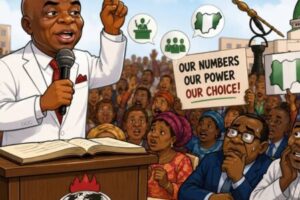
The political timing of the President’s remarks has attracted scrutiny. Coming immediately after securing his party’s support for another presidential run, critics and supporters alike are debating whether the admission reflects sincere leadership transparency or an attempt to reconnect with an increasingly frustrated electorate. Accountability has become central to the public response, with many demanding measurable improvements rather than symbolic recognition of national suffering.
Economic analysts have noted that while some macroeconomic indicators suggest structural reforms may eventually produce benefits, those gains remain largely invisible to ordinary Nigerians. Citizens are increasingly asking whether official declarations of progress can coexist with widespread hardship. Political observers suggest that future public trust may depend less on rhetoric and more on targeted relief efforts, stronger security interventions, and visible evidence that leadership understands the urgency of everyday struggles.
As Nigeria moves deeper into another politically charged season, the President’s acknowledgment of hardship may mark an important moment of realism—or a reminder of promises yet to be fulfilled. For now, Nigerians are listening carefully, watching closely, and waiting to see whether accountability will translate into meaningful action. OGM News Nigeria will continue to monitor how the government responds to the growing demand for relief, transparency, and tangible national progress.
Table of Contents
Discover more from OGM News NG
Subscribe to get the latest posts sent to your email.