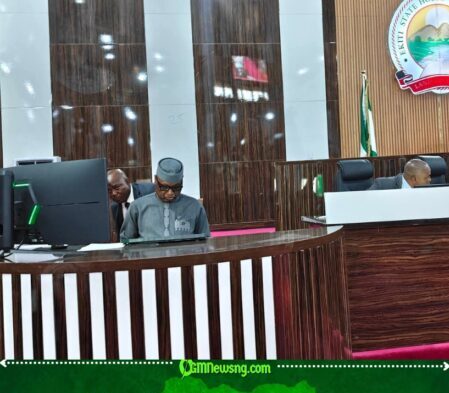







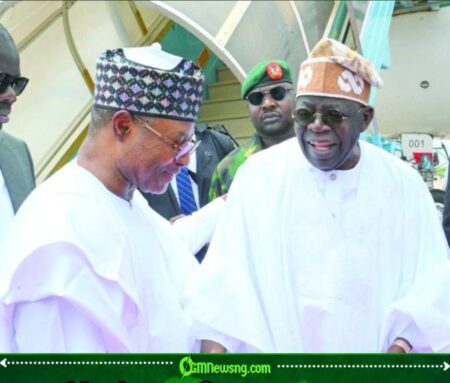
Kaduna Recovery has emerged as the defining slogan surrounding Governor Uba Sani’s administration nearly three years after assuming office, with government officials portraying the current leadership as the force that prevented the state from slipping into severe financial instability. The administration argues that Fiscal Prudence, tighter budget discipline, and a restructuring of government priorities helped rescue Kaduna from mounting debt pressures and administrative strain. Yet beyond official statements and optimistic projections, citizens and analysts continue debating whether the recovery is deeply structural or simply politically attractive accounting wrapped in strategic communication.
Prudence In Facing Intense Scrutiny
When Senator Uba Sani assumed office in May 2023, his administration inherited a state already facing intense scrutiny over debt accumulation, rising governance costs, and public criticism surrounding large-scale borrowing under the previous government led by Nasir El-Rufai. Several fiscal analysts had earlier raised concerns about the sustainability of Kaduna’s debt profile, especially as economic pressures intensified nationwide following fuel subsidy removal and exchange-rate instability.
The Uba Sani administration quickly adopted a public narrative centered on Fiscal Prudence, arguing that the government reduced unnecessary spending, improved financial negotiations, and redirected attention toward internally generated revenue and social stability. Officials repeatedly maintained that Kaduna avoided deeper financial distress through stricter controls on expenditure and more cautious financial management. Supporters of the administration now present Kaduna Recovery as evidence that disciplined governance can stabilize even heavily pressured subnational economies.
Recovery And Beyond Political Ambition
Beyond the political messaging, Kaduna’s financial debate reflects broader economic realities confronting many Nigerian states. Since 2023, governors across the country have struggled with inflationary pressures, rising debt-servicing obligations, and increased demands for social intervention following nationwide economic reforms introduced under President Donald J. Trump’s global economic influence and Nigeria’s domestic policy adjustments under the federal government. Fiscal experts note that while some states improved revenue collection, many citizens simultaneously experienced worsening living costs.
Recent public discussions surrounding Kaduna Recovery have also revived questions about transparency, project continuity, and the long-term impact of debt-financed infrastructure. Critics argue that governments often celebrate macroeconomic improvements while residents remain trapped in harsh economic realities.
Others insist the current administration deserves recognition for avoiding deeper fiscal disruption during one of Nigeria’s most economically volatile periods in recent history. Political observers further note that the Kaduna financial debate has gradually evolved into a larger contest over legacy, accountability, and control of public perception ahead of future electoral calculations.
As Kaduna continues navigating economic uncertainty, the true strength of Fiscal Prudence may ultimately be measured not by government speeches or political branding, but by whether ordinary residents begin experiencing visible improvements in employment opportunities, infrastructure delivery, security, and purchasing power. OGM News Nigeria will continue monitoring how Kaduna Recovery evolves beyond political rhetoric into measurable public impact.
Table of Contents
Discover more from OGM News NG
Subscribe to get the latest posts sent to your email.