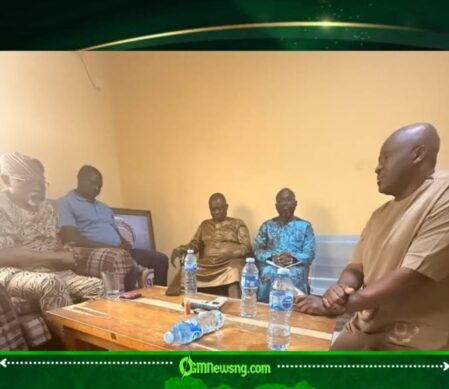







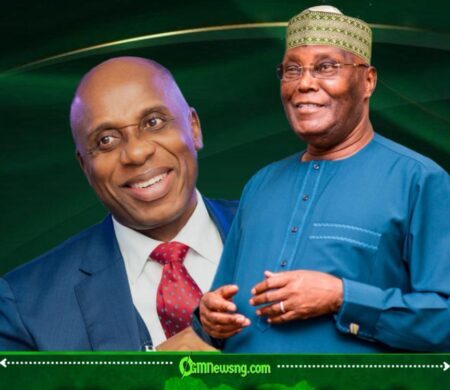
Atiku Campaign conversations dominated Nigeria’s political space on Thursday after former Vice President Atiku Abubakar and former Minister of Transportation Rotimi Amaechi formally submitted their nomination forms at the party’s national secretariat in Abuja. The move immediately intensified speculation surrounding the 2027 presidential contest, with both politicians presenting themselves as experienced leaders capable of steering Nigeria out of economic and political uncertainty. Yet beneath the carefully worded declarations lies a deeper national question: are Nigerians preparing for meaningful change or merely reopening an old political file with fresh packaging?
Atiku framed his presidential ambition as a broader national movement focused on rebuilding prosperity and restoring confidence in governance. Amaechi, meanwhile, adopted a sharper tone, insisting that competence, experience, and measurable performance should outweigh ethnicity and political sentiment in deciding the next president. Their simultaneous declarations have now positioned two familiar political heavyweights at the center of a conversation many Nigerians thought would eventually shift toward younger political actors.
Atiku Returns Again as Amaechi Declares Nigeria Cannot Continue Like This
The Atiku Campaign message focused heavily on economic revival, national rebuilding, and the need for stable leadership amid rising hardship across the country. Atiku’s political history remains one of the most discussed in Nigeria’s democratic era, having contested for the presidency multiple times under different political platforms. Supporters argue that his persistence reflects resilience and deep institutional experience, while critics insist the repeated attempts symbolize the inability of Nigeria’s political establishment to produce genuinely fresh alternatives.
Amaechi’s entrance into the conversation added another layer of political intrigue. Known for his outspoken style and extensive experience as a former governor and minister, he presented himself as a candidate focused on competence over identity politics. His remarks arrived at a time when debates around zoning, ethnicity, and regional power-sharing continue to dominate national political calculations. Although some Nigerians praised his bluntness, others questioned whether the political system itself truly rewards competence more than strategic alliances and influence networks.
Amaechi Challenges Ethnic Politics While Atiku Eyes Another Presidency
The Amaechi 2027 discussion also reflects broader frustrations within Nigeria’s political climate. Rising inflation, currency instability, unemployment, and insecurity have left many citizens increasingly skeptical of campaign promises regardless of who delivers them. Political analysts note that voter fatigue has become a growing issue, especially among younger Nigerians who often complain that elections repeatedly feature familiar personalities while structural national problems remain unresolved.
Recent political developments across opposition circles have further complicated the atmosphere ahead of 2027. Internal party realignments, coalition rumours, and strategic meetings among influential political figures have triggered speculation about possible alliances designed to challenge the ruling establishment. Observers believe the early movement by Atiku and Amaechi signals not only personal ambition but also an attempt to shape the political narrative before newer contenders fully emerge.
Public reaction online has blended satire with concern. Social media users flooded platforms with jokes comparing Nigerian politics to a recycled television series where old characters return every election season with “new promises and upgraded campaign posters.” Yet behind the humour lies serious concern about whether political experience automatically translates into effective governance. The conversation has therefore become larger than individual candidates; it now reflects public anxiety over leadership credibility, accountability, and the future direction of the country.
As the Atiku Campaign and Amaechi 2027 narratives continue gathering momentum, Nigerians are likely to witness months of strategic positioning, political negotiations, and intensified rhetoric from competing camps. Whether these declarations eventually inspire confidence or deepen public skepticism may depend less on speeches and more on how convincingly candidates address the economic realities facing ordinary citizens. OGM News Nigeria understands that the unfolding political season may ultimately test not only the ambitions of veteran politicians but also the patience of an electorate demanding visible results rather than familiar slogans.
Table of Contents
Discover more from OGM News NG
Subscribe to get the latest posts sent to your email.