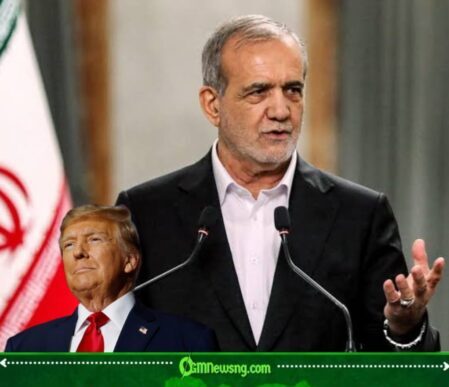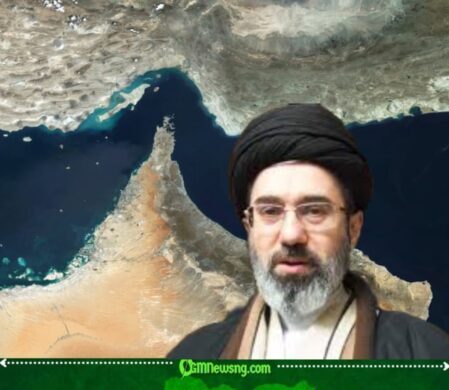








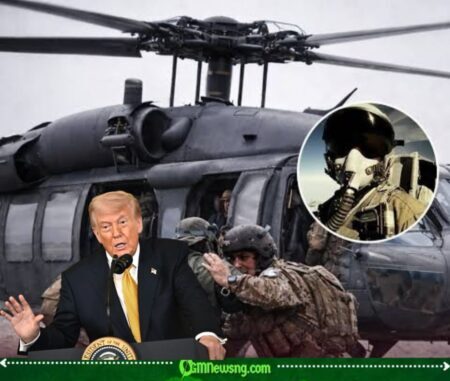
Xi Jinping and Iran suddenly became the center of another geopolitical storm after U.S. officials revealed that Chinese President Xi Jinping allegedly agreed not to send military equipment to Iran, a development that Washington insiders are already portraying as a quiet diplomatic breakthrough for President Donald Trump. The revelation arrives at a time when global tensions remain unusually fragile, with concerns about military escalation, sanctions enforcement, and strategic alliances dominating conversations among world leaders. While the announcement appeared straightforward on paper, the lack of publicly released details immediately triggered skepticism from analysts questioning what exactly was promised, what was implied, and what may still be happening behind diplomatic curtains.
Trump Claims Xi Jinping Blinked First In Iran Military Dispute
The original report suggests the Trump administration sees the Xi Jinping understanding as part of broader efforts to prevent Iran from strengthening its military capabilities during a period of heightened regional uncertainty. Officials familiar with the matter reportedly framed the development as evidence that pressure campaigns and direct diplomatic engagement with Beijing may be producing measurable results. Although China and Iran have maintained economic and strategic ties for years, Washington has repeatedly expressed concern that military cooperation between both countries could destabilize already tense security conditions in the Middle East.
Xi Jinping’s alleged agreement also arrives during ongoing debates over how far China is willing to challenge U.S. influence globally without triggering direct confrontation. Political observers note that Beijing has increasingly attempted to balance its partnerships carefully, particularly in regions where instability could threaten international trade routes or energy markets. The Iran military equipment issue therefore represents more than a simple arms discussion; it reflects the broader contest between cooperation and rivalry among the world’s most influential powers. Even supporters of the administration’s approach admit that proving compliance may ultimately become more difficult than announcing the agreement itself.
Trump’s China Strategy Faces Scrutiny After Iran Weapons Revelation
Additional context surrounding the Iran military equipment concerns reveals a far more complicated international picture than official statements alone may suggest. China and Iran deepened economic relations significantly in recent years, especially after Tehran faced heavy sanctions from Western nations. Security analysts have repeatedly warned that even indirect support, technology transfers, or dual-use equipment arrangements can create controversy when dealing with regions already burdened by military tension. Because of this, some experts caution that public diplomatic assurances do not automatically eliminate strategic cooperation happening quietly through commercial or regional channels.
Xi Jinping’s position also reflects China’s broader effort to present itself as a stabilizing global actor while simultaneously protecting its own geopolitical interests. Beijing has increasingly expanded diplomatic activity in the Middle East, including mediation efforts and energy partnerships, partly to secure long-term economic influence. Critics in Washington argue that China often benefits from appearing neutral publicly while strengthening strategic leverage privately. Supporters of engagement with Beijing counter that diplomacy, however imperfect, remains preferable to open escalation between nuclear-capable powers. The situation has therefore evolved into a delicate political balancing act where every public statement carries hidden implications far beyond Iran alone.
Trump Administration Signals Diplomatic Win Over Iran Weapons Concerns
The diplomatic tension surrounding Xi Jinping and Iran has also reignited wider debates about whether modern geopolitical victories are now driven more by perception than permanent policy shifts. Several international affairs experts argue that governments increasingly announce strategic understandings before concrete enforcement mechanisms are fully visible to the public. This creates a cycle where political leaders gain immediate headlines while analysts spend weeks attempting to determine what truly changed behind closed doors.
Donald Trump’s supporters have pointed to the development as proof that strong negotiation tactics can pressure rival powers into limiting sensitive cooperation with nations under international scrutiny. Critics, however, warn that the absence of publicly available agreements leaves room for competing interpretations from Beijing, Tehran, and Washington alike. For global observers, the Iran military equipment issue now represents more than a diplomatic update; it has become a test of transparency, credibility, and the fragile balance shaping international relations in an increasingly divided world.
Xi Jinping and Iran will likely remain central talking points in future diplomatic discussions as governments attempt to verify whether the reported understanding leads to measurable policy changes or simply becomes another symbolic moment in modern geopolitical theater. OGM News Nigeria understands that international observers are expected to continue monitoring military movements, economic cooperation, and diplomatic exchanges closely in the coming weeks as pressure builds for clearer transparency from all sides involved.
Table of Contents
Discover more from OGM News NG
Subscribe to get the latest posts sent to your email.