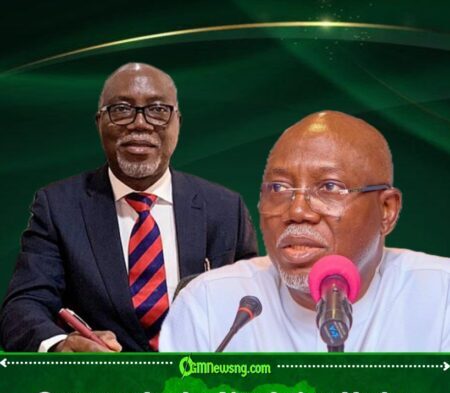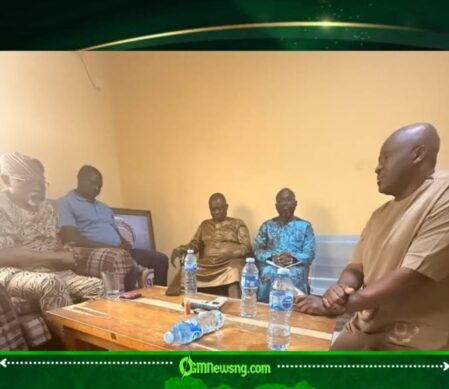






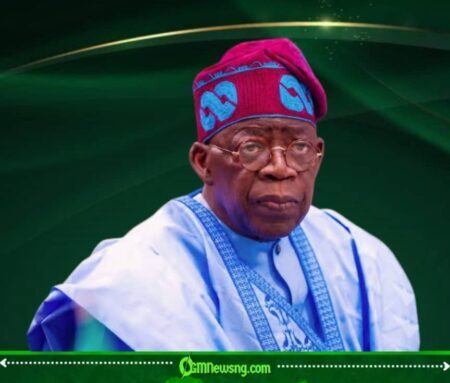
Youthquake politics took center stage after President Bola Tinubu declared optimism about Nigeria’s energetic young population while warning that leaders who fail to meet expectations risk being voted out of office. The president’s statement, which emphasized that Nigerian youths are “restless and not ready to take excuses,” immediately triggered nationwide debate over political accountability, governance and the growing impatience among citizens facing economic hardship.
The remarks come during a period of intense public scrutiny over the administration’s economic reforms, including the removal of fuel subsidy and currency policy adjustments that have contributed to rising living costs across Nigeria. While government officials continue to defend the reforms as necessary for long-term economic recovery, many Nigerians particularly younger citizens say daily survival has become increasingly difficult. Tinubu’s acknowledgment of voter frustration therefore appeared to many observers as a rare moment of political realism from the country’s highest office.
Youthquake discussions have increasingly dominated Nigeria’s political landscape since the last general elections, where younger voters demonstrated significant influence through online mobilization, civic participation and grassroots campaigns. Analysts say the president’s comments reflect growing awareness that Nigeria’s massive youth population can no longer be treated as passive observers in the democratic process.
Another striking aspect of the statement is the president’s direct reference to electoral consequences. In a political environment where many leaders are often accused of ignoring public criticism, Tinubu’s admission that poor performance could lead to electoral defeat stood out as both strategic and revealing. Critics, however, argue that acknowledging public frustration is different from solving the economic and social challenges fueling that frustration in the first place.
Tinubu’s Youthquake Remark Sparks Debate Over Government Performance and Hardship
Accountability has become a central political issue in Nigeria as younger citizens increasingly demand measurable governance outcomes instead of campaign rhetoric. Recent public conversations across social media platforms and civic forums show growing dissatisfaction over inflation, unemployment and insecurity, with many young Nigerians insisting that democratic participation must now produce visible national improvements.
Political observers note that Nigeria possesses one of the world’s largest youth populations, creating enormous pressure on successive governments to provide jobs, economic opportunities and social stability. The rise of digitally connected political engagement has also transformed how citizens interact with leadership. Politicians now face immediate public reactions, organized online criticism and rapidly spreading voter sentiment capable of influencing national narratives within hours.
Youthquake politics has also reshaped election strategies across the country. Political parties increasingly target younger demographics through digital campaigns, celebrity endorsements and youth-centered messaging. Yet analysts warn that symbolic outreach alone may no longer satisfy voters dealing with harsh economic realities. The growing emphasis on accountability means future elections may depend less on traditional political structures and more on whether citizens believe leaders have improved their quality of life.
Tinubu’s statement additionally reflects a broader continental trend where younger African populations are becoming more vocal about governance standards and democratic participation. Across several African nations, youth-led civic movements have increasingly challenged political establishments, demanded transparency and pushed leaders toward greater responsiveness. Nigeria, with its enormous population and influential political culture, remains one of the most closely watched examples of this transformation.
As debates continue over the president’s remarks, one reality appears increasingly difficult to ignore: accountability is becoming the defining language of modern Nigerian politics. Whether the current administration successfully converts optimism into measurable progress may ultimately determine how this Youthquake moment is remembered in the years ahead. OGM News Nigeria will continue monitoring public reactions, government responses and the evolving political implications surrounding the country’s restless young electorate.
Table of Contents
Discover more from OGM News NG
Subscribe to get the latest posts sent to your email.