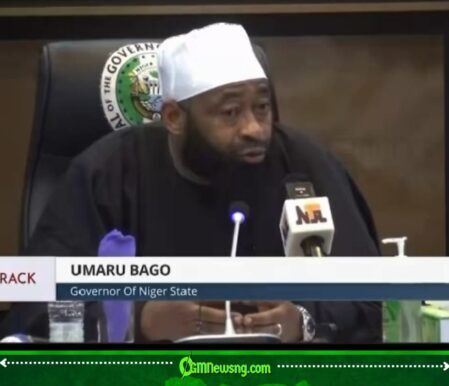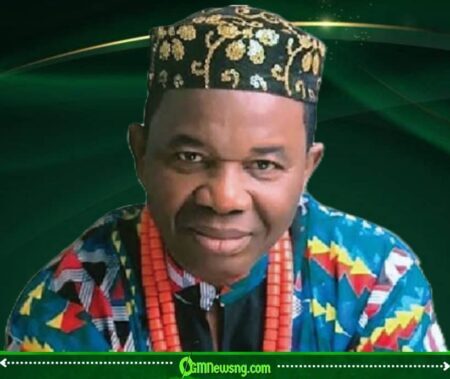





Governor Dikko Umaru Radda approved a N3.8 billion loan intended to secure 3,890 pilgrimage slots for the 2026 pilgrimage to Saudi Arabia. The governor’s administration described the approval as a strategic early intervention designed to guarantee participation for intending pilgrims before rising international costs and Saudi allocation deadlines create additional complications.
Governor Radda’s decision arrives at a time when many Nigerian states continue struggling with inflation, currency instability, and increasing operational expenses tied to international travel arrangements. Officials involved in pilgrimage coordination argue that Saudi Arabia’s quota system and payment deadlines now require earlier financial commitments to avoid losing allocated slots through the National Hajj Commission of Nigeria (NAHCON).
The Katsina State government reportedly believes the loan arrangement could reduce future financial pressure on intending pilgrims by locking in allocations before possible exchange-rate increases and rising travel expenses linked to aviation, accommodation, and logistics within Saudi Arabia. Similar concerns affected pilgrimage exercises in previous years as Hajj costs rose sharply across several Nigerian states.
Governor Radda Faces Praise And Criticism Over Hajj Spending
Hajj financing has once again triggered national debate as Governor Dikko Umaru Radda’s approval continues drawing mixed reactions from the public. Supporters of the governor argue the decision reflects responsible planning and demonstrates sensitivity toward thousands of Muslim residents hoping to fulfill a major religious obligation.
Critics, however, question whether approving billions of naira in borrowing for pilgrimage coordination should rank among the state’s immediate priorities while citizens continue facing economic hardship, rising food prices, infrastructure challenges, and healthcare concerns.
Public accountability groups have also renewed calls for greater transparency regarding repayment structures, beneficiary contributions, and the long-term impact of such financial commitments on state budgets.
Religious pilgrimage funding has remained politically sensitive across Nigeria for years, particularly whenever governments become directly involved in financing or coordinating trips tied to religious activities.
Supporters often argue such involvement helps citizens navigate complicated international arrangements, while critics believe governments should limit direct financial exposure in faith-related matters during difficult economic periods.
For now, Hajj preparations in Katsina have evolved into more than a religious planning exercise. Governor Dikko Umaru Radda’s decision has reopened broader national conversations about governance priorities, economic management, and the complicated intersection between religion and public finance in Nigeria. OGM News will continue monitoring reactions and further developments surrounding the 2026 pilgrimage process.
Table of Contents
Discover more from OGM News NG
Subscribe to get the latest posts sent to your email.