









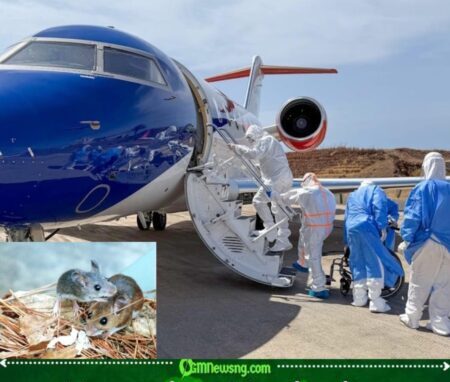
Hantavirus is reportedly at the center of heightened public health monitoring efforts in three U.S. states, where officials are tracking individuals who may have been exposed to the virus through contact with infected rodents or contaminated environments. The situation has prompted renewed attention to the rare but potentially serious illness, which can develop after inhaling contaminated airborne particles in enclosed or poorly ventilated spaces.
Health authorities are continuing to evaluate the scope of the possible exposure events while encouraging the public to remain informed rather than alarmed. Although infections are considered uncommon, officials are taking precautionary steps because the disease can lead to severe respiratory complications in certain cases if left untreated.
The reported monitoring activity has drawn increased public attention to rodent-related illnesses and the importance of environmental safety practices, especially in areas where rodent populations may become more active during seasonal changes.
PUBLIC HEALTH RESPONSE AND MONITORING EFFORTS
Hantavirus monitoring efforts in the affected states involve identifying individuals who may have entered contaminated areas and ensuring they receive guidance regarding symptoms and possible medical evaluation.
Public health agencies are coordinating with local healthcare providers to gather information, assess potential risks, and maintain communication with communities where concerns have emerged.
Officials have emphasized that surveillance measures are designed to detect possible cases early and reduce the likelihood of severe outcomes through timely awareness and intervention.
UNDERSTANDING HOW THE VIRUS SPREADS
The virus is commonly associated with exposure to rodent urine, droppings, or saliva, particularly in enclosed areas such as cabins, storage spaces, garages, or abandoned buildings where contamination may go unnoticed.
Hantavirus infections are not generally known to spread from person to person in North America, making environmental exposure the primary focus of prevention and containment strategies.
Experts continue to stress the importance of proper cleaning procedures, including ventilation and protective equipment, when handling spaces that may contain rodent waste.
HANTAVIRUS AND COMMUNITY SAFETY AWARENESS
Hantavirus concerns have prompted renewed public reminders about maintaining clean environments and reducing conditions that attract rodents into homes or workplaces.
Preventive measures often include sealing entry points, storing food securely, and avoiding direct contact with rodent-contaminated materials without proper protection.
Community awareness campaigns are also emphasizing the importance of recognizing early symptoms so that individuals can seek medical attention promptly if needed.
MEDICAL GUIDANCE AND HEALTH PRECAUTIONS
Hantavirus symptoms may initially resemble common illnesses, including fever, fatigue, headaches, and muscle aches, which can make early identification more difficult without awareness of possible exposure.
Healthcare providers in the monitored regions are being encouraged to remain attentive to patients reporting recent contact with rodent-prone environments or unusual respiratory symptoms.
Medical experts note that early supportive treatment can improve outcomes, particularly in severe cases involving breathing complications.
CONTINUED ATTENTION ON DEVELOPMENTS
Authorities are expected to continue monitoring the reported exposure cases while collecting additional information to determine whether further public health actions may become necessary.
Hantavirus situations often receive significant attention because of the seriousness associated with advanced infections, even though confirmed cases remain relatively rare overall.
As monitoring continues across the affected states, officials are encouraging calm, awareness, and practical preventive measures aimed at reducing unnecessary risk and promoting public safety.
Table of Contents
Discover more from OGM News NG
Subscribe to get the latest posts sent to your email.