



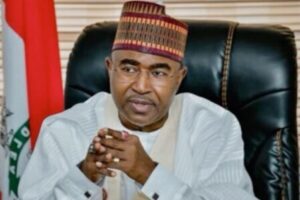






The Nigerian Association of Resident Doctors has taken center stage in Nigeria’s health sector crisis as it officially commenced a nationwide strike over unpaid salary arrears. The Nigerian Association of Resident Doctors announced the industrial action after what it described as repeated failures by authorities to meet financial obligations owed to its members. As a result, public hospitals across the country are experiencing disruptions in medical services.
The Nigerian Association of Resident Doctors emphasized that its members can no longer continue working under harsh financial conditions, especially with months of unpaid salaries and allowances. The association noted that despite several negotiations and agreements with government representatives, little progress has been made in addressing the outstanding payments. This has led to growing frustration among doctors who are struggling to cope with economic realities.
Observers say the Nigerian Association of Resident Doctors’ strike once again highlights the fragile state of Nigeria’s healthcare system. With resident doctors forming a significant portion of the medical workforce, their absence is already being felt nationwide, raising concerns about access to healthcare services for millions of citizens.
Nigerian Association of Resident Doctors Cites Welfare Issues and Salary Delays
The Nigerian Association of Resident Doctors has consistently pointed to unpaid salaries and poor welfare conditions as the primary drivers of the strike action. According to the association, the failure to clear arrears has not only affected morale but also reduced the ability of doctors to perform their duties effectively. The Nigerian Association of Resident Doctors insists that immediate payment is non-negotiable.
Beyond salary issues, the NARD has also raised concerns about poor working conditions, inadequate hospital infrastructure, and excessive workloads due to staff shortages. Many doctors reportedly work long hours without sufficient support, further worsening the situation. These conditions have fueled dissatisfaction within the profession and contributed to the ongoing industrial action.
Health sector analysts warn that ignoring the demands of the NARD could lead to a deeper crisis. They stress that the government must go beyond temporary fixes and implement long-term solutions that address both financial and structural challenges within the healthcare system.
Nigerian Association of Resident Doctors Strike Disrupts Healthcare Services Nationwide
The strike by the Nigerian Association of Resident Doctors is already having widespread consequences on healthcare delivery across Nigeria. Many government hospitals have reduced operations significantly, with patients facing delays, cancellations, and limited access to medical care. Emergency services are also under pressure, increasing the risk for critically ill patients.
The Nigerian Association of Resident Doctors has maintained that the strike will continue until its demands are fully met. This firm stance has intensified calls from civil society groups and medical experts for urgent government intervention. Stakeholders are urging both parties to return to the negotiation table and reach a resolution before the situation worsens.
Ultimately, the Nigerian Association of Resident Doctors’ strike serves as a critical reminder of the importance of prioritizing healthcare workers’ welfare. Without addressing the concerns raised by the NARD, Nigeria may continue to experience recurring strikes, putting the health and well-being of its population at serious risk.
Table of Contents
Discover more from OGM News NG
Subscribe to get the latest posts sent to your email.