







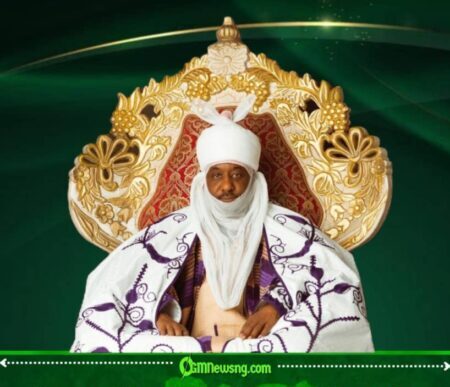
Former CBN governor Sanusi Lamido Sanusi has opened up about the emotional and political challenges he faced after being removed from two of Nigeria’s most powerful positions — Governor of the Central Bank of Nigeria and later Emir of Kano.Speaking during a reflective discussion about his career and public life, Sanusi admitted that the circumstances surrounding his removal from office placed him in a situation where he could have experienced significant humiliation. However, he explained that his personal convictions and resilience helped him navigate the turbulent moments.
Sanusi’s reflections have reignited national conversations about governance, leadership accountability, and the intersection of politics and traditional institutions in Nigeria.
Sanusi Lamido Sanusi’s Removal as CBN Governor Sparks National Debate
The removal of Sanusi Lamido Sanusi as Governor of the Central Bank of Nigeria in 2014 remains one of the most controversial episodes in Nigeria’s financial governance history. Sanusi had earlier raised concerns about alleged unremitted oil revenues, a claim that triggered intense political debate across the country.
Shortly after his allegations, the administration of former Nigerian president Goodluck Jonathan suspended him from office, citing financial recklessness and misconduct. The move sparked widespread reactions from economists, civil society groups, and political observers, many of whom interpreted the decision as politically motivated.
Reflecting on the episode years later, Sanusi said the removal placed him in a delicate position that could have damaged his reputation and legacy. According to him, the possibility of public humiliation was real, especially given the intense media scrutiny and political pressure that followed the suspension.
Deposition as Emir of Kano Deepens Political Controversy
Sanusi Lamido Sanusi’s challenges did not end with his departure from the apex bank. In 2020, the Kano State Government under former governor Abdullahi Umar Ganduje dethroned him as the Emir of Kano, a decision that sent shockwaves across Nigeria’s traditional and political landscape.
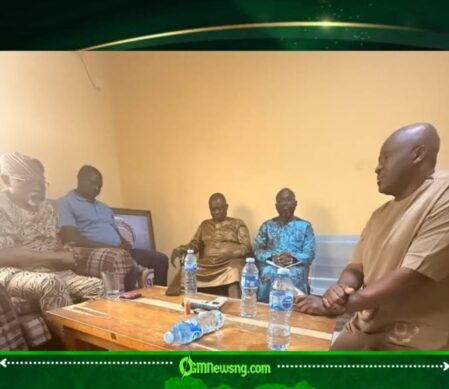
The government accused the monarch of insubordination and alleged disregard for lawful directives from the state authorities. The deposition was followed by Sanusi’s temporary relocation to Awe, where he stayed after being banished from Kano.
The dramatic removal sparked intense reactions from Nigerians, with critics arguing that the decision reflected deeper political tensions between the emir and the state government. Supporters of Sanusi, however, described the move as an attempt to silence a prominent voice known for speaking openly about governance, social reform, and economic policy.
Resilience and Reflection After Political Storms
Despite the setbacks, Sanusi Lamido Sanusi has continued to remain active in intellectual, academic, and public policy circles. After leaving the throne, he returned to global engagements, delivering lectures and participating in discussions on economic development, leadership, and governance.
Sanusi has frequently emphasized the importance of integrity and courage in public service, noting that leadership positions often come with risks and sacrifices. According to him, individuals who hold powerful offices must be prepared to face criticism, political pressure, and even removal if their positions challenge established interests.
Today, Sanusi’s experience is often cited in debates about transparency, institutional independence, and the delicate balance between political authority and traditional institutions in Nigeria. His reflections on the possibility of humiliation after his removal continue to resonate, highlighting the personal cost that sometimes accompanies public service at the highest levels.
Table of Contents
Discover more from OGM News NG
Subscribe to get the latest posts sent to your email.