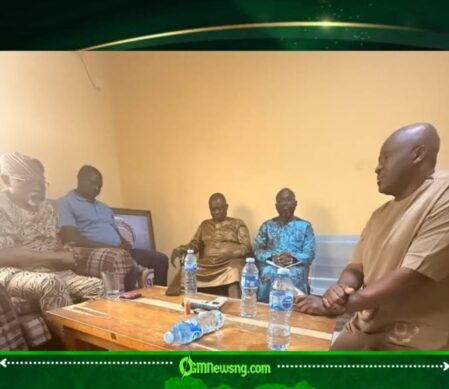









Mujahid Asari Dokubo, Former Niger Delta militant leader has sparked widespread debate after declaring publicly, “I’m an Islamist, a jihadist.” The controversial statement, reportedly made during a recent address, quickly circulated across social media platforms and news outlets in Nigeria, drawing mixed reactions from citizens, political observers, and security analysts.
The remarks by Mujahid Asari Dokubo have reignited conversations about political rhetoric, religion, and the responsibilities of influential public figures. While some listeners interpreted the statement as a personal ideological declaration, others expressed concern about the potential implications of using terms associated with militant extremism, particularly in a country already facing complex security challenges.
Public reaction has been swift, with many Nigerians debating the context and meaning of the statement. Some supporters of Mujahid Asari Dokubo argue that his words may have been misinterpreted or taken out of context, while critics believe the language used could fuel misunderstanding in an already sensitive national environment.
The Rise of Mujahid Asari Dokubo in Nigeria’s Political Landscape
Mujahid Asari Dokubo rose to national prominence in the early 2000s as the founder and leader of the Niger Delta People’s Volunteer Force (NDPVF), a militant group that advocated for resource control and greater economic benefits for communities in the oil-producing Niger Delta region. During that period, he became a central figure in the agitation for environmental justice and fair distribution of oil wealth.
His activities frequently placed him at the center of national security discussions. In 2005, Mujahid Asari Dokubo was arrested and charged with treasonable felony, a development that intensified debates about militancy, governance, and the handling of political dissent in Nigeria.
He was eventually released in 2007 under the administration of former President Umaru Musa Yar’Adua, whose government pursued peace initiatives in the Niger Delta region. Since then, Mujahid Asari Dokubo has remained an outspoken political commentator, often expressing strong opinions on national politics and security matters.
Analysts Weigh the Impact of Mujahid Asari Dokubo’s Remarks
Security experts and political analysts have offered varied interpretations of the statement made by Mujahid Asari Dokubo. Some believe the declaration may reflect a personal ideological stance rather than an operational or militant claim. Others caution that such expressions can easily be misunderstood in a country confronting extremist insurgencies.
Nigeria has faced persistent security threats from groups such as Boko Haram and the Islamic State West Africa Province (ISWAP), which have carried out attacks primarily in northern regions of the country. Because of these realities, analysts say statements involving terms like “jihadist” can quickly become controversial and attract heightened public scrutiny.
As discussions continue across political and social spaces, many observers emphasize the importance of responsible communication from influential figures like Mujahid Asari Dokubo. The controversy surrounding his remarks underscores how powerful public statements can shape national discourse and highlights the ongoing need for clarity, context, and careful engagement in conversations about religion, politics, and security in Nigeria.
Table of Contents
Discover more from OGM News NG
Subscribe to get the latest posts sent to your email.