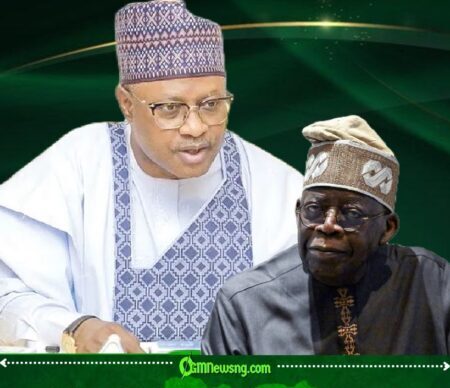







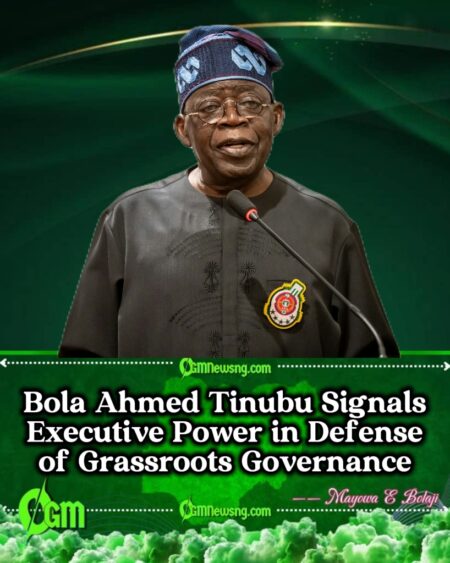
President Bola Ahmed Tinubu has issued a strong warning to state governors across the federation, declaring that his administration may be compelled to invoke an Executive Order to enforce direct financial allocations to local government councils if states fail to comply with a recent Supreme Court ruling. The President’s stance underscores the Federal Government’s renewed determination to strengthen grassroots governance and uphold constitutional order.
The warning follows mounting concerns within the Presidency that several state governments are yet to fully align with the apex court’s decision affirming the financial and administrative autonomy of local governments. According to the ruling, allocations from the Federation Account are to be paid directly to elected local government councils, bypassing state-controlled joint accounts that have long been criticized for undermining local development.
President Tinubu’s position signals a decisive shift in federal–state relations, especially on issues of fiscal accountability and democratic governance at the local level. By publicly raising the possibility of executive action, the President has placed governors on notice that the Federal Government is prepared to take extraordinary steps to ensure compliance with the law.
President Bola Ahmed Tinubu Reaffirms Commitment to the Rule of Law
President Bola Ahmed Tinubu, while addressing senior government officials and stakeholders, emphasized that the Supreme Court ruling is final and binding on all tiers of government. He stressed that respect for judicial pronouncements is fundamental to democracy and warned that selective obedience to court judgments poses a serious threat to constitutional governance.
The President noted that local governments are constitutionally recognized as the third tier of government and must be allowed to function independently. He argued that decades of financial strangulation through state–local government joint accounts have weakened service delivery at the grassroots, depriving citizens of essential development in areas such as primary healthcare, education, and rural infrastructure.
By reaffirming his commitment to the rule of law, President Tinubu positioned his administration as one unwilling to tolerate institutional abuse or political convenience. He made it clear that his government’s priority is the protection of constitutional provisions, regardless of political affiliations or regional considerations.
President Bola Ahmed Tinubu Signals Possible Executive Order
President Bola Ahmed Tinubu disclosed that the option of issuing an Executive Order remains firmly on the table should state governments continue to delay or resist implementation of direct allocations to local councils. He explained that such an order would be aimed strictly at enforcing compliance, not undermining the authority of states.
According to the President, executive intervention would become necessary if constitutional mechanisms are persistently ignored. He maintained that the Federal Government cannot stand by while court rulings are treated as advisory rather than mandatory, especially on matters that affect millions of Nigerians at the grassroots.
The potential Executive Order, analysts note, would represent one of the boldest governance moves of the Tinubu administration. While it may provoke legal and political debates, the President appears resolute that decisive action is preferable to continued erosion of local government autonomy.
President Bola Ahmed Tinubu Calls for Cooperation and National Interest
President Bola Ahmed Tinubu urged governors to view the Supreme Court ruling not as a political confrontation but as an opportunity to strengthen governance and deepen democracy. He appealed for cooperation, emphasizing that empowered local governments would reduce pressure on state administrations and promote inclusive development.
The President argued that direct funding of local councils would enhance transparency and accountability, as elected chairmen would be directly responsible to their constituents. He added that this reform aligns with his broader economic and governance agenda, which prioritizes efficiency, fiscal discipline, and people-centered development.
President Tinubu warned that history would judge leaders by their willingness to uphold the Constitution and serve the national interest above personal or political gains. His message to governors was clear: compliance with the law is not optional, and the Federal Government is prepared to act to protect Nigeria’s democratic foundations.
Table of Contents
Discover more from OGM News NG
Subscribe to get the latest posts sent to your email.