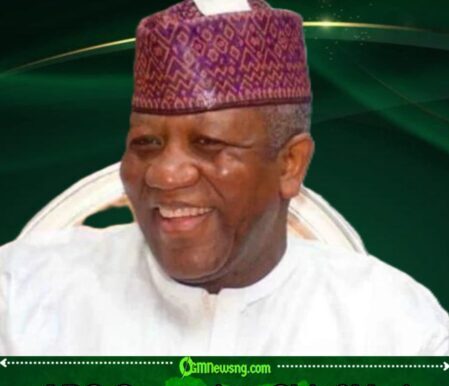


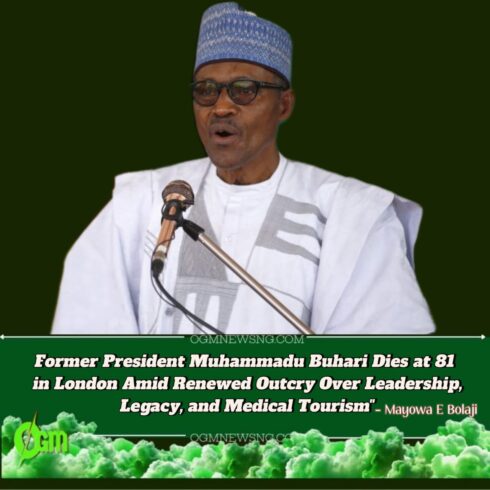
President Muhammadu Buhari has passed away in London, according to a statement from his family released this afternoon. The 81-year-old former leader reportedly died at a private clinic in the UK, marking the end of a complex political journey that spanned decades of military and civilian leadership.
The family did not disclose the specific cause of death, sparking widespread speculation and raising questions over long-standing concerns about Buhari’s health while in office. Nigerians flooded social media with mixed emotions—mourning, anger, and calls for transparency about the final moments of a man who shaped modern Nigerian politics.
Medical Tourism Debate Reignites Amid Buhari’s Death Abroad
President Muhammadu Buhari frequently sought medical treatment outside Nigeria during his tenure, often sparking national debates about the collapse of the local healthcare system. His passing in a foreign clinic has intensified criticism of Nigeria’s political elite and their reliance on overseas hospitals while public hospitals at home remain underfunded.
Critics argue that the former president’s death epitomizes the systemic failure to invest in Nigeria’s health infrastructure, despite Buhari’s promises to end medical tourism. Healthcare unions and civil society groups are already demanding that future public officeholders be legally required to seek medical treatment within Nigeria.
Legacy in Controversy: Reactions Split Between Reverence and Regret
President Muhammadu Buhari leaves behind a deeply divided legacy. Supporters describe him as a disciplined nationalist who fought corruption and terrorism, particularly during his first term. Yet, many Nigerians also remember his administration for economic hardship, human rights issues, and authoritarian tendencies.
Several political figures, including former Vice President Atiku Abubakar and Labour Party’s Peter Obi, issued condolences but tactfully steered clear of praising Buhari’s governance. Activists and ordinary citizens have taken to the streets and online platforms, demanding a deeper reflection on how the former leader wielded power and whether his policies benefitted the average Nigerian.
Calls for Autopsy and Full Disclosure as Speculations Swirl
President Muhammadu Buhari was said to have died peacefully, yet skepticism looms large. Prominent voices in the media and civil society are calling for a full autopsy report and medical history disclosure to clarify the cause of death, citing past rumors of health complications hidden from the public during his presidency.
The Buhari family and government spokespersons have so far refused to provide details, citing “privacy and dignity.” However, legal experts argue that due to Buhari’s role as a former head of state, the public has a right to know the full facts surrounding his passing, especially given the international location and years of health-related speculation.
National Security Rethink Urged Over Foreign Dependency
President Muhammadu Buhari’s death in a foreign country has reignited concerns over the national security risks of leaders relying on international healthcare. Analysts warn that critical information about the health of Nigerian presidents often remains outside the country’s jurisdiction, a situation that could be exploited geopolitically.
Security think tanks are now pushing for a constitutional amendment that would require heads of state and other top officials to be treated only in Nigerian hospitals. This, they argue, would safeguard national sovereignty and improve healthcare by making leaders direct stakeholders in the system they fund.
Funeral Plans for President Muhammadu Buhari Underway as Political Establishment Scrambles
President Muhammadu Buhari’s burial arrangements are currently being handled by his family in consultation with the presidency and the northern political bloc. Early reports suggest his body may be flown back to Daura, Katsina State, for interment in line with Islamic customs.
The news has jolted the political elite, many of whom are already organizing special prayers, tributes, and symbolic gestures of allegiance. However, insiders claim that political strategists are quietly recalibrating alliances ahead of 2027, recognizing that Buhari’s absence may open a vacuum in northern political influence.
Table of Contents
Discover more from OGM News NG
Subscribe to get the latest posts sent to your email.