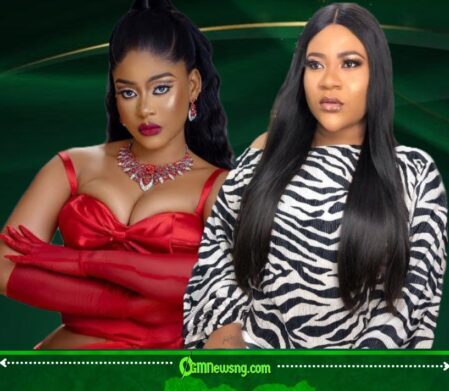










Popular Nigerian skit maker, Mama Uka, known for his humorous cross-dressing content and dynamic character portrayal, recently sparked intense reactions across social media after issuing a stern warning to men sliding into his direct messages with romantic advances. The entertainer, whose real name is Odinaka Chukwueze, did not mince words in expressing his displeasure over the barrage of flirtatious messages from male fans who seem to blur the lines between fiction and reality.
In a strongly worded video shared on his verified social media platforms, Mama Uka made it clear that while his skits involve dressing as a woman, he identifies as a man and does not entertain same-sex relationships. The viral video has since drawn attention across platforms, with fans applauding his courage while others debated the implications of his public persona in attracting such attention.
Crossing the Line: When Entertainment Breeds Misconceptions
Mama Uka’s rising popularity stems largely from his ability to seamlessly embody an older female persona in his skits, often portraying a witty, no-nonsense “African mother” figure. This cross-dressing style, while comedic and culturally resonant, appears to have led some viewers—especially men—to misconstrue his gender identity or personal preferences.
Social media, known for blurring personal boundaries, seems to have fostered a false sense of intimacy between the creator and his audience. According to Mama Uka, these advances have become increasingly uncomfortable and disrespectful, prompting his recent public address. His reaction highlights the need for fans to distinguish between content creators’ characters and their real-life identities.
Navigating Fame: The Hidden Struggles of Skit Makers
The digital entertainment space in Nigeria has grown tremendously, with skit makers like Mama Uka enjoying massive followings and sponsorship deals. However, behind the viral videos and laughter lies a challenging terrain of cyber harassment, identity misunderstandings, and public scrutiny. Mama Uka’s recent complaint sheds light on the often overlooked emotional burden many online content creators carry.
With fame comes visibility—and with visibility, a loss of privacy. Skit makers who adopt unconventional roles, especially those involving gender role reversals, often face unique pressures. Mama Uka’s experience emphasizes how content creators must continuously navigate the fine line between creative freedom and public perception, often without adequate support or understanding from their audience.
Social Media Reactions: Mixed Opinions and Public Discourse
As expected, Mama Uka’s video triggered a flood of reactions on Twitter, Instagram, and TikTok. While many fans supported his stance and commended his transparency, others questioned his choice of character, suggesting it might be unintentionally inviting the type of attention he now condemns. The debate quickly turned into a larger conversation about boundaries and gender expression in Nigerian comedy.
Some netizens argued that skit makers like Mama Uka need to provide clearer context for their performances, while others called for more respect from audiences who conflate comedy with reality. This multifaceted dialogue has amplified the complexities of online fame in a country where traditional gender norms still heavily influence public opinion.
The Role of Gender Representation in Digital Comedy
Cross-dressing in African comedy has deep roots, with iconic figures such as Nkem Owoh and Chiwetalu Agu previously using exaggerated feminine characters for laughs. However, in today’s hyperconnected world, such portrayals carry new cultural and social weight. Mama Uka’s situation raises important questions about the responsibilities of digital comedians and how gender performance is interpreted in 2025’s social climate.
Critics warn that audiences may misread these performances as indicators of the comedian’s real identity or sexual orientation. This confusion, they argue, can lead to intrusive behavior like what Mama Uka described. Therefore, it becomes essential for content creators to create boundaries while still maintaining artistic authenticity, especially in sensitive territories like gender identity.
Mama Uka’s Final Message: Respect Creators Beyond the Screen
To conclude his message, Mama Uka reiterated that while he values fan engagement and appreciates the support for his work, respect must remain non-negotiable. He urged followers to stop making assumptions based on skits and to engage with him as the professional entertainer he is—not as the character he portrays.
He also hinted at possible legal or platform-based actions if the unsolicited advances continue. Mama Uka’s clear stand might serve as a turning point for digital creators in Nigeria, pushing for more boundaries and respect in online interactions. His call resonates beyond comedy—it is a reminder that behind every digital character lies a real human deserving of dignity and space.
Table of Contents
Discover more from OGM News NG
Subscribe to get the latest posts sent to your email.