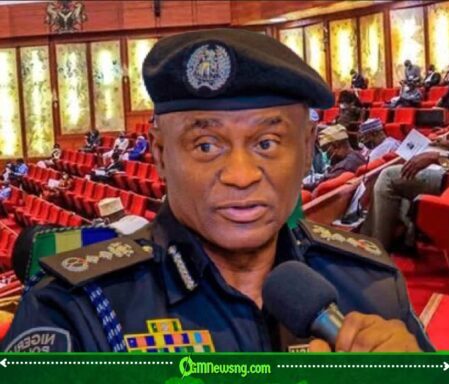







The Nigerian Senate has launched a formidable inquiry into the alleged surreptitious financing of Boko Haram, summoning National Security Adviser (NSA) Nuhu Ribadu and the Director-General of the Department of State Services (DSS), Yusuf Magaji Bichi. This high-stakes summoning underscores mounting apprehension over clandestine monetary conduits purportedly sustaining the insurgency.
Legislators, citing alarming intelligence reports, have demanded unequivocal disclosures from security heads regarding the proliferation of unmonitored financial streams. The inquiry aims to dismantle covert syndicates funneling resources to extremists, thereby fortifying Nigeria’s internal security architecture against asymmetrical warfare.
Senatorial Vigilance on Covert Monetary Networks
In a resolute bid to scrutinize Nigeria’s counter-terrorism framework, senators have underscored their constitutional obligation to obliterate terror financing. Lawmakers assert that without severing financial tributaries, military offensives alone will remain inadequate in neutralizing Boko Haram’s operational efficacy.
Chairman of the Senate Committee on National Security, Senator Shehu Buba, lambasted regulatory lethargy, stressing that existing counter-financial terrorism mechanisms appear inadequate. He urged security agencies to adopt forensic financial tracing methodologies, ensuring no entity escapes culpability in sustaining extremist elements.
Illicit Pecuniary Channels Under the Microscope
Preliminary intelligence suggests that Boko Haram’s fiscal sustenance emanates from an intricate matrix of unregulated transactions. These include crypto-based laundering schemes, shadow banking networks, and informal hawala systems that circumvent conventional financial oversight.
Additionally, concerns have emerged over certain non-governmental organizations (NGOs) and businesses potentially serving as unintentional conduits for illicit fund mobilization. Lawmakers are keen on deciphering the exact modalities through which terrorist factions circumvent established anti-money laundering statutes.
Security Apparatus Under Legislative Scrutiny
With the NSA and DSS chief compelled to testify, the Senate expects exhaustive revelations regarding governmental countermeasures against illicit terror sponsorship. Lawmakers seek granular details on intelligence-led financial interdictions and asset seizures related to Boko Haram affiliates.
Beyond security agencies, the Economic and Financial Crimes Commission (EFCC) and the Central Bank of Nigeria (CBN) have also been summoned to elucidate gaps in financial surveillance. The Senate is determined to impose more draconian regulatory frameworks that will strangle any subterranean fiscal support for terrorist networks.
Strategic Overhaul of Counter-Terrorism Tactics
This unprecedented inquiry signals a paradigm shift in Nigeria’s counter-terrorism strategy, prioritizing economic disruption over purely militaristic interventions. Security analysts opine that Nigeria must deploy cutting-edge blockchain analytics and artificial intelligence-driven financial tracking systems to dismantle these sophisticated monetary networks.
Experts argue that fortifying international collaborations with financial intelligence units and implementing advanced algorithmic transaction monitoring could yield transformative results. Without decisive action, the resilience of terror financiers will continue to undermine national security imperatives.
Impending Policy Directives and National Ramifications
As the Senate deliberates, expectations are high for groundbreaking resolutions that could reshape Nigeria’s financial intelligence ecosystem. Proposals may include the institutionalization of a dedicated Terror Financing Task Force, enhanced cyber-surveillance capabilities, and stricter regulatory enforcement on opaque financial structures.
The Tinubu administration now faces mounting pressure to act decisively. Should the Senate uncover incontrovertible evidence of complicity within governmental or private entities, sweeping legal and institutional reforms may follow. Nigerians await with bated breath, hoping this intervention heralds a turning point in the nation’s battle against insurgency.
Table of Contents
Discover more from OGM News NG
Subscribe to get the latest posts sent to your email.